

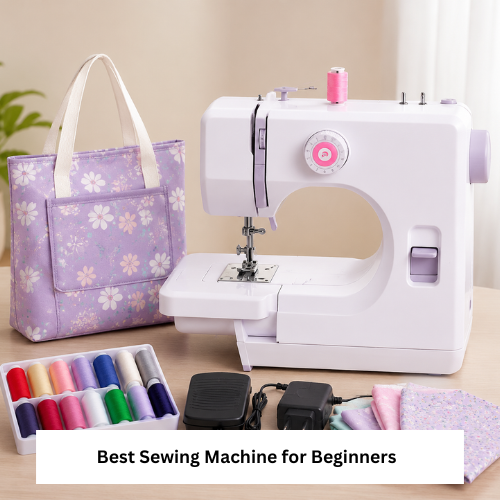
A beginner sewing machine should be easy to set up, simple to control, and suitable for basic home sewing projects without overwhelming new users. Before buying, check stitch options, threading steps, bobbin style, speed control, accessories, manual support, and whether the machine fits your learning goals.
New users usually need reliability and comfort more than advanced features. A starter sewing machine should help you practice straight seams, simple repairs, hemming, craft projects, and basic fabric handling.
If you want to compare beginner-focused options, American sewing machine can help buyers explore machines, accessories, parts, and sewing supplies in one place.
What Makes a Machine Beginner-Friendly?
A beginner-friendly machine should be simple to thread, easy to start, and stable while sewing. Controls should be clear, and the machine should not require advanced setup knowledge before basic use.
Useful beginner features include:
- Straight and zigzag stitches
- Reverse stitching
- Easy bobbin access
- Clear stitch selector
- Foot pedal control
- Built-in light
- Simple tension adjustment
- Manual with setup instructions
- Basic accessories
A beginner sewing machine should also be easy to clean and store after use.
Beginner Sewing Machine Features to Check First
When choosing a beginner sewing machine, check whether the machine supports your first projects. New users may want to sew pillow covers, simple clothing repairs, craft pieces, tote bags, or small quilting practice samples.
Buyers can compare a sewing machine for beginners when they want a product option made for new users and simple home sewing.
Do not buy only because a machine has many stitches. A smaller number of useful stitches may be better than confusing controls.
| Buyer Need | Better Choice | What to Verify |
| Learning basic stitching | Simple sewing machine | Straight stitch, zigzag stitch, reverse stitch |
| Small space | Mini or portable machine | Size, stability, speed control |
| Kids or supervised learning | Easy sewing machine | Safety guidance and adult supervision |
| Light repairs | Starter sewing machine | Needle type, fabric guidance, bobbin setup |
| Craft projects | Basic sewing machine | Stitch options, accessory kit, table space |
| Travel or storage | Portable machine | Weight, handle, power cord, case |
Mini and Portable Options
A mini sewing machine can be useful for small spaces, simple projects, and buyers who do not want a large machine. However, mini models may not suit every fabric or project.
A mini sewing machine for beginners can be reviewed when buyers want a compact option for learning basic stitches.
If you move your machine often, a portable beginner sewing machine may be easier to store, lift, and set up on a small table.
Speed Control and Learning Comfort
Speed control matters for new users. A machine that runs too fast can make beginners feel uncomfortable and may lead to uneven stitching.
A two-speed beginner sewing machine can be useful for buyers who want slower practice settings while learning basic control.
Before buying, check whether speed is controlled by a foot pedal, button, slider, or setting. If this detail is unclear, verify before buying.
Accessories and Setup Items
Beginners often need more than the machine itself. Needles, bobbins, thread, measuring tape, fabric scissors, seam ripper, presser feet, and extra practice fabric can make learning easier.
A beginner sewing machine accessory kit can help buyers compare useful starter supplies before beginning home sewing projects.
Check whether accessories are included or sold separately. Do not assume that all kits include the same items.
Safety Tips for New Users
Safety matters when learning. Always turn off the machine before changing the needle, presser foot, or bobbin. Keep fingers away from the needle area while sewing.
New users should also keep loose threads, fabric edges, and cords organized. If a child is learning, adult supervision is important.
Use the correct needle for the fabric and avoid pulling fabric through the machine. Pulling can break the needle or affect stitch quality.
Troubleshooting for Beginners
Machine will not stitch
Check power, foot pedal connection, threading, bobbin placement, presser foot position, and needle installation.
Stitches are loose
Rethread the upper thread and bobbin. Test tension slowly on scrap fabric.
Fabric bunches under the foot
Check thread tension, needle type, stitch length, and whether the fabric is too thin or too thick.
Machine feels hard to control
Practice on scrap fabric and start slowly. Check whether the machine has speed settings.
Maintenance Advice for New Users
Keep the machine clean and covered when not in use. Remove lint from the bobbin area and change needles regularly.
Follow the manual for oiling, cleaning, and storage. Some machines need oiling, while others may not, so verify before buying or maintaining.
Use compatible bobbins, needles, and presser feet. Incorrect accessories can cause stitch problems or machine damage.
Common Buying Mistakes
Beginners should avoid:
- Buying a machine with confusing controls
- Ignoring setup instructions
- Not checking included accessories
- Choosing a machine too small for planned projects
- Buying without checking return policy
- Forgetting replacement needles and bobbins
- Ignoring maintenance instructions
- Not checking warranty or support details
A beginner sewing machine should make learning easier, not more stressful.
Practical Buying Checklist
Before buying, check:
- Beginner-friendly controls
- Stitch options
- Threading steps
- Bobbin style
- Speed control
- Foot pedal comfort
- Machine size
- Storage space
- Fabric suitability
- Included accessories
- Needle and bobbin compatibility
- Cleaning and maintenance instructions
- Warranty or support details
- Return policy
- Replacement parts
- Delivery details
- Verify before buying if product details are unclear
Conclusion
A beginner sewing machine should be simple, stable, easy to thread, and comfortable for basic home sewing projects. New users should compare controls, stitch settings, accessories, safety guidance, maintenance needs, and return policy before buying.
FAQ
What is the best beginner sewing machine feature?
Simple threading, basic stitch options, speed control, and clear instructions are very helpful for beginners.
Do beginners need a computerized machine?
Not always. Many beginners can start with a simple mechanical or basic machine.
Is a mini sewing machine good for beginners?
It can be useful for small projects, but buyers should verify fabric limits and stability before buying.
What accessories should beginners have?
Needles, bobbins, thread, scissors, seam ripper, measuring tape, and practice fabric are useful.
Why should I check return policy?
A machine may feel too fast, too small, or too difficult after setup, so return details matter.
