

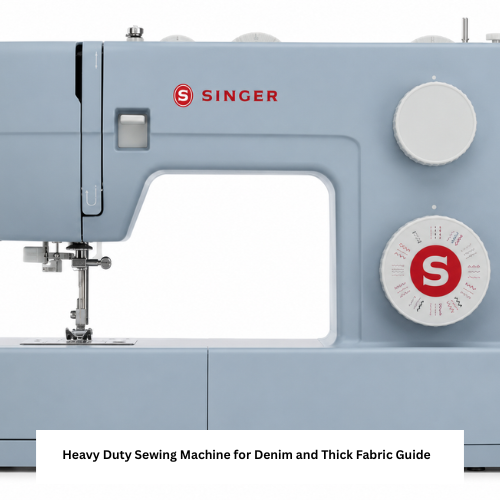
A heavy duty sewing machine is useful when regular home machines struggle with denim, canvas, layered seams, upholstery-style fabric, or repeated repair work. Beginners, home sewers, tailors, DIY crafters, and small business owners should focus on build quality, motor strength, stitch control, needle compatibility, and support before buying.
For buyers comparing options on American sewing machine, the goal is not only power. A durable sewing machine should feed fabric smoothly, handle heavy fabric stitching without skipped stitches, and still be manageable for everyday home projects.
How to Choose a Heavy Duty Sewing Machine for Thick Fabric
A heavy duty sewing machine should feel stable when sewing multiple layers. Look for a strong frame, consistent speed control, adjustable presser foot pressure if available, and enough needle power for thick seams. If a product listing does not confirm these details, verify before buying.
A good sewing machine for denim should also support the right needle type and thread weight. Denim often needs a denim needle, stronger thread, and slower stitching over bulky seams. Never force the handwheel or pull fabric from behind, because that can bend the needle or affect timing.
What Makes a Thick Fabric Sewing Machine Different?
A thick fabric sewing machine is usually built for more pressure, better feed control, and stronger stitching than a basic lightweight machine. The sewing machine motor matters, but it is only one part of the buying decision. Feed dogs, presser foot lift, needle system, tension control, and stitch consistency are just as important.
If you sew jeans hems, bags, canvas covers, workwear, or layered repairs, consider whether you need a home heavy-duty model or industrial machines for longer production runs.
| Buyer Need | Best Machine Type to Consider | What to Verify Before Buying |
| Jeans hemming and denim repair | Heavy-duty home machine | Denim needle support, stitch length control, presser foot clearance |
| Canvas bags or thick craft fabric | Strong sewing machine | Motor performance, feed control, thread compatibility |
| Repeated tailoring work | Durable sewing machine | Warranty, replacement parts, service support |
| Small business production | Industrial style sewing machine | Table setup, motor type, space, power needs |
| Mixed light and heavy projects | Heavy-duty home machine | Ability to handle light fabric without puckering |
Setup Tips for Denim and Thick Fabric
Start with the correct needle. For denim, use a denim needle in the size recommended by the machine and fabric. For canvas or layered fabric, verify the recommended needle and thread combination before buying accessories.
Test on fabric scraps before sewing the final project. Adjust tension slowly, lengthen the stitch for thick layers, and reduce speed when crossing bulky seams. A hump jumper or folded scrap behind the presser foot can help keep the foot level when crossing thick jean hems.
The Singer 4423 Heavy Duty Sewing Machine is one example buyers may compare when looking at heavy-duty home sewing options, but always check the current product details, included accessories, and compatibility before buying.
Compatibility Checks Before Buying
Check whether the machine works with the needles, bobbins, presser feet, and thread types you plan to use. Some machines require brand-specific bobbins or presser feet. If you already own accessories, confirm compatibility before assuming they will fit.
Also check machine size, workspace, and weight. A heavier model may feel more stable, but it may not be ideal if you need to move it often. For small rooms, measure your sewing table and storage area before purchasing.
Troubleshooting Heavy Fabric Stitching Problems
Skipped stitches usually mean the needle is wrong, dull, bent, or not installed correctly. Thread breaking can happen when tension is too tight, thread quality is poor, or the needle eye is too small for the thread.
If fabric is not feeding evenly, check the presser foot pressure, feed dogs, stitch length, and whether the fabric layers are too bulky for the machine. If the motor slows down or the machine makes unusual noises, stop sewing and inspect the needle, bobbin area, thread path, and fabric thickness.
Maintenance Advice for Heavy-Duty Use
Heavy fabric can create more lint than light cotton. Clean the bobbin area regularly, change needles often, and follow the manual for oiling if the machine requires it. Good sewing machine maintenance helps protect stitch quality and reduces avoidable repair issues.
Avoid sewing over pins, forcing thick seams, or using damaged needles. These mistakes can cause needle strikes, broken thread, or timing problems.
Practical Buying Checklist
Before choosing a heavy duty sewing machine, check:
- Size and weight for your sewing table and storage space
- Needle compatibility for denim, canvas, and heavy fabric
- Presser foot clearance and feed control
- Motor strength and speed control
- Stitch options needed for repairs and construction
- Bobbin, presser foot, and accessory compatibility
- Safety features and stable operation
- Cleaning and maintenance requirements
- Warranty and return policy
- Replacement parts and support availability
- Delivery condition and included accessories
- Product-specific details you should verify before buying
Conclusion
A heavy duty sewing machine can be a smart choice for denim, thick fabric, home repairs, tailoring, and small business sewing, but the best option depends on your fabric type, workload, space, and accessory needs. Choose a machine that supports heavy fabric stitching without forcing the motor, and always verify product-specific details before buying.
FAQ
Can a regular sewing machine sew denim?
Some regular machines can sew light denim, but thick seams may cause skipped stitches or needle issues. Use the right needle and verify the machine’s fabric capacity before buying.
What needle should I use for denim?
Use a denim needle in the size recommended for your fabric weight. Always check your machine manual for needle compatibility.
Is an industrial style sewing machine necessary for home use?
Not always. A heavy-duty home machine may be enough for repairs and crafts, while industrial machines are better for frequent production work.
Why does my machine skip stitches on thick fabric?
Common causes include a dull needle, wrong needle type, poor threading, tight tension, or fabric that exceeds the machine’s capacity.
How often should I clean a heavy-duty machine?
Clean lint from the bobbin area regularly, especially after denim, canvas, or heavy fabric projects. Follow the manual for oiling and maintenance.
