

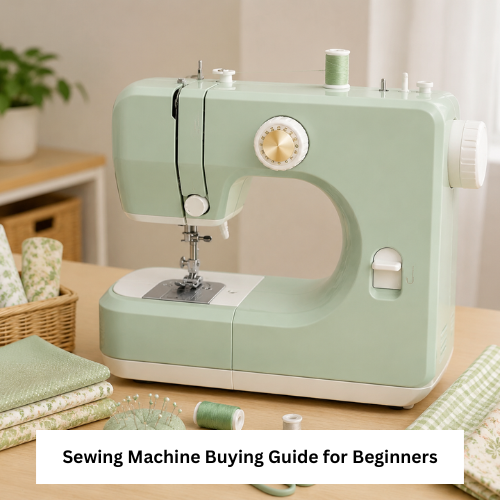
Choosing a sewing machine can feel confusing for beginners because many models look similar, but their controls, stitch options, setup steps, and learning comfort can be very different. Before buying, check what projects you want to make, how much space you have, which features you will actually use, and whether parts and support are easy to find.
A beginner does not always need the most advanced model. A good home sewing machine should be simple to thread, easy to control, stable on the table, and suitable for basic repairs, hemming, crafts, quilting practice, or small home sewing projects.
Buyers can explore American sewing machine when comparing sewing machines, accessories, parts, and sewing supplies for different skill levels.
Why Beginners Should Compare Machines Before Buying
A best sewing machine for one buyer may not be the best choice for another. Someone sewing curtains may need different features from someone learning small craft projects or clothing repairs.
Beginners should focus on comfort, easy controls, basic stitch options, and clear instructions. If a feature sounds useful but the listing does not explain it clearly, verify before buying.
A buying decision should also include maintenance, replacement needles, presser feet, bobbins, accessories, and the return policy.
Sewing Machine Features Beginners Should Check
When comparing a sewing machine, start with basic features such as straight stitch, zigzag stitch, reverse stitching, speed control, bobbin loading, foot pedal use, and thread tension adjustment.
Buyers can compare best sewing machine models when they want a broader look at machine types, features, and buying options.
Helpful beginner features may include:
- Clear stitch selection
- Easy bobbin loading
- Built-in light
- Simple threading path
- Stable foot pedal
- Adjustable stitch length
- Reverse stitch button or lever
- Accessory storage
- Clear manual or setup guide
Do not assume every machine includes the same accessories. Check the product details before ordering.
| Machine Type | Best For | What to Verify |
| Mechanical sewing machine | Simple controls and basic sewing | Stitch options, tension dial, foot pedal |
| Computerized sewing machine | More stitch options and digital controls | Screen, button layout, manual, power needs |
| Mini sewing machine | Small projects and limited space | Stability, speed control, fabric limits |
| Heavy-duty sewing machine | Thicker fabric projects | Needle type, motor strength, fabric guidance |
| Quilting sewing machine | Quilting and larger fabric handling | Table space, walking foot, stitch options |
| Embroidery machine | Decorative stitching and embroidery work | Hoop size, design files, software needs |
Size, Space, and Storage Guidance
Before buying, measure where you will place the machine. A sewing machine should sit on a stable table with room for fabric movement, foot pedal placement, and accessories.
If you live in a small apartment or need to store the machine after every use, check machine weight, handle design, cover, carrying case compatibility, and cord storage.
Buyers who need bags, feet, bobbins, or setup items can review sewing machine parts and accessories before deciding what extra supplies may be needed.
Setup Tips for First-Time Users
After purchase, read the manual before starting. Learn how to thread the machine, wind the bobbin, insert the needle, attach the presser foot, and test stitches on scrap fabric.
Basic setup tips:
- Place the machine on a flat table.
- Use the correct needle for the fabric.
- Check bobbin direction.
- Thread the upper path correctly.
- Test stitch length on scrap fabric.
- Keep fingers away from the needle area.
- Turn off the machine before changing the needle or foot.
If the machine does not stitch correctly, do not force the fabric. Stop and check threading, needle position, bobbin setup, and tension.
Common Buying Mistakes
Beginners often buy a machine based only on price or number of stitches. More stitches are not always better if the machine is difficult to use.
Avoid these mistakes:
- Buying without checking project needs
- Ignoring machine weight and size
- Not checking return policy
- Forgetting replacement needles and bobbins
- Choosing a machine with confusing controls
- Not checking fabric suitability
- Assuming all presser feet fit all machines
- Ignoring maintenance requirements
For home users, sewing machine maintenance tips can help buyers understand cleaning, needle changes, and basic care before problems start.
Troubleshooting Beginner Problems
Thread keeps breaking
Check needle size, thread quality, threading path, tension setting, and whether the needle is bent.
Fabric is not moving
Check the presser foot, feed dogs, stitch length, and whether the fabric is too thick for the machine.
Stitches look uneven
Rethread the machine, check bobbin placement, adjust tension slowly, and test on scrap fabric.
Needle breaks
Use the correct needle for the fabric and do not pull fabric while sewing.
Maintenance and Care Advice
A home sewing machine needs regular care. Remove lint, change dull needles, keep the machine covered, and follow the manual for oiling if the model requires it.
Do not use random parts unless they are compatible. Presser feet, bobbins, needles, and power cords can vary by model, so compatibility should be verified before buying replacements.
Practical Buying Checklist
Before buying, check:
- Project type
- Machine size and table space
- Beginner-friendly controls
- Stitch options
- Bobbin style
- Foot pedal comfort
- Needle compatibility
- Fabric guidance
- Included accessories
- Maintenance needs
- Replacement parts
- Warranty or support details
- Return policy
- Delivery details
- Verify before buying if specifications are unclear
Conclusion
A sewing machine should match your skill level, project type, space, and maintenance comfort. Beginners should choose a model that is easy to thread, simple to control, stable during use, and supported by clear instructions and compatible accessories.
FAQ
What should beginners check before buying a sewing machine?
Check stitch options, threading, bobbin setup, speed control, size, accessories, and return policy.
Is a mechanical machine good for beginners?
Yes, it can be good if the controls are simple and the machine supports your basic project needs.
Do beginners need many built-in stitches?
No. Most beginners mainly need straight stitch, zigzag stitch, reverse stitch, and simple adjustments.
Why does my thread keep breaking?
Thread may break because of poor threading, wrong needle size, tension issues, or low-quality thread.
Should I buy accessories with the machine?
Yes, basic needles, bobbins, thread, presser feet, and a cover or case can be useful.
