

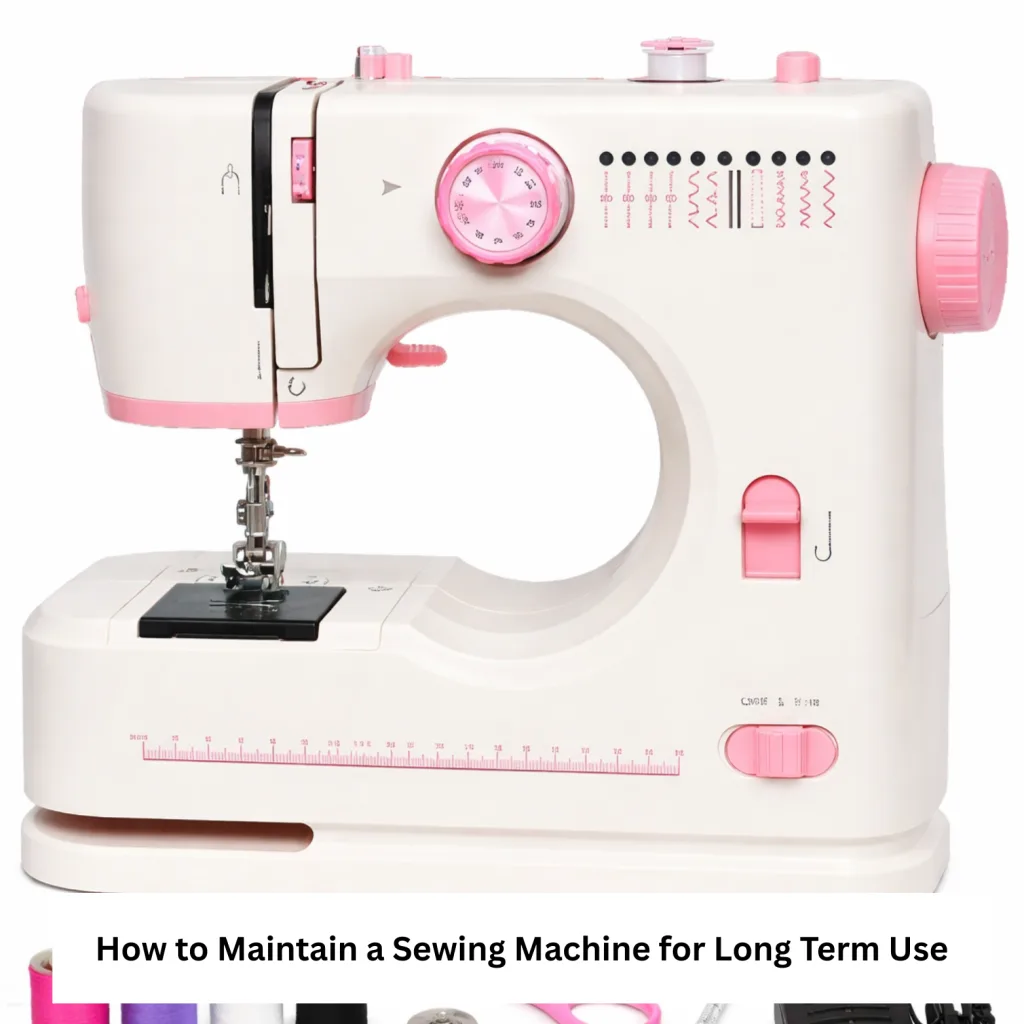
Regular sewing machine maintenance starts with safe, model-specific care. Turn the machine off and unplug it before cleaning, remove lint from the bobbin and race area, inspect the needle, check threading and tension, keep the machine dry and covered, and follow the manufacturer’s manual for lubrication. Oiling requirements vary by model, and some modern sewing machines are factory-lubricated and should not be routinely oiled by the owner.
Quick Answer
To keep a sewing machine working properly, clean lint and loose thread regularly, replace damaged or dull needles, use correct threading and tension, store the machine in a clean and dry location, and follow the model-specific manual for lubrication and servicing. Never use a universal oiling schedule for every sewing machine because maintenance requirements differ by model.
Why Is Regular Sewing Machine Maintenance Important?
Dust, lint, loose thread, and worn sewing components can interfere with smooth machine operation and stitch quality. The bobbin and race area are especially important because lint accumulation can affect sewing performance. Regular cleaning also gives you an opportunity to notice damaged needles, threading problems, unusual noises, or worn parts before they become larger problems.
Maintenance should always follow the instructions for the specific make and model. Cleaning, oiling, and servicing requirements can differ significantly between mechanical, computerized, domestic, and specialized machines.
For more detail, see our mechanical vs computerized sewing machine guide.
How to Maintain a Sewing Machine Step by Step
1. Turn Off and Unplug the Machine
Disconnect power before removing the needle plate, bobbin case, presser foot, or other parts for cleaning.
2. Clean the Bobbin and Race Area
Remove the bobbin and accessible covers according to the manual. Use the supplied cleaning brush or another manufacturer-approved cleaning method to remove lint, dust, and loose thread. Do not force tools into areas that the manual does not identify as user-serviceable. Brother specifically recommends regular bobbin-area cleaning because accumulated lint can affect sewing performance.
3. Inspect the Needle
Check for bending, dullness, damage, or unsuitable needle type. Replace the needle when necessary and make sure it matches the fabric and project.
4. Check Threading and Tension
If stitches become uneven, thread begins breaking, or loops form, first rethread the upper thread and bobbin correctly, inspect the needle, and test the machine on scrap fabric before making major tension adjustments.
5. Oil Only When the Manual Requires It
Do not assume every sewing machine needs monthly oiling. Some models are pre-lubricated and do not require owner-applied oil, while other machines have specific oiling points and schedules. Follow the machine’s manual rather than a universal maintenance interval.
6. Inspect Accessible Parts
Check the presser foot, bobbin, needle plate, power cord, foot controller, and other user-accessible components for obvious damage or unusual wear. Avoid opening electrical or internal mechanical assemblies unless the manufacturer identifies them as user-serviceable.
7. Test the Machine
After cleaning or routine care, reassemble the machine correctly and test stitching on scrap fabric before returning to the main project.
| Maintenance Task | Practical Timing | Important Note |
|---|---|---|
| Remove lint and loose thread | After lint-heavy projects or visible buildup | Follow the manual for access |
| Inspect needle | Before projects and when stitch problems appear | Replace if bent, dull, damaged, or unsuitable |
| Wipe exterior | Whenever dusty | Keep moisture away from openings |
| Check threading/tension | When stitch quality changes | Rethread before making major adjustments |
| Oil machine | Only when the manual specifies | Not every machine requires owner oiling |
| Professional inspection | When persistent symptoms occur or manual recommends it | Especially for electrical/timing issues |
| Cover and store | Whenever machine is not in use | Keep clean, dry, and stable |
Sewing Machine Maintenance Mistakes to Avoid
Avoid using lubricants that are not approved for your sewing machine, applying oil where the manual does not instruct you to, forcing stuck mechanical parts, cleaning internal areas while the machine is plugged in, or ignoring persistent grinding, burning smells, electrical issues, or repeated needle strikes. Some manufacturers also advise against compressed canned air because it can push debris farther into the machine.
When a problem continues after basic cleaning, rethreading, and needle replacement, stop using the machine and consult the manufacturer’s troubleshooting guidance or a qualified service technician.
For basic DIY checks, see our repairing a sewing machine at home guide.
Where Can You Find Replacement Parts for a Sewing Machine?
Start with the machine’s model number and identify the exact part needed through the owner’s manual or manufacturer documentation. For items such as bobbins, needles, presser feet, belts, bobbin cases, or other replaceable components, verify compatibility before installation rather than choosing a part only because it looks similar.
Use manufacturer-approved or correctly specified compatible parts whenever possible. Electrical components, internal gears, timing mechanisms, motors, and repairs requiring extensive disassembly are better handled according to the manufacturer’s service guidance.
Common Sewing Machine Problems and the First Maintenance Check
| Symptom | First Checks |
|---|---|
| Skipped stitches | Needle condition, needle installation, threading |
| Thread bunching | Rethread upper thread and bobbin; clean bobbin area |
| Uneven stitches | Needle, threading, tension settings |
| Unusual noise | Stop sewing; inspect lint and accessible parts |
| Fabric not feeding | Check feed-dog area for lint and machine settings |
| Stiff handwheel | Do not force it; check manual or seek service |
| Persistent needle breakage | Needle installation, size, fabric compatibility |
| Burning smell/electrical issue | Stop and unplug the machine; seek professional service |
If basic maintenance does not solve the problem, see our sewing machine repair guide for further troubleshooting.
How Should You Store a Sewing Machine?
Keep the sewing machine covered when it is not in use and store it in a clean, dry, stable location. Avoid excessive moisture, dust, and placing heavy objects on top of the machine. Before long-term storage, remove loose lint and thread and make sure accessories are stored securely.
If you regularly transport the machine, use a suitable sewing machine case or protective bag to reduce exposure to dust and accidental impact.
Frequently Asked Questions
What steps can I take to properly care for my sewing machine?
Clean lint from accessible areas, inspect the needle, thread the machine correctly, store it in a clean and dry place, and follow the manufacturer’s instructions for lubrication and servicing.
How often should I clean my sewing machine?
There is no single schedule for every machine. Clean visible lint regularly and consider more frequent cleaning after lint-heavy fabrics or extended sewing sessions. Always follow your model’s manual.
Can I use any oil on my sewing machine?
No. Use only the lubricant specified by the manufacturer, and only oil the machine when its instructions require owner lubrication. Some machines are factory-lubricated and should not be routinely oiled by the user.
How can I maintain my sewing machine for better performance?
Keep the bobbin area clean, use a suitable needle, thread the machine correctly, address stitch problems early, and perform only the maintenance procedures approved for your model.
Why is my sewing machine making unusual noises?
Lint, incorrect threading, needle problems, or mechanical issues can contribute to unusual operation. Stop the machine and perform basic checks; persistent grinding or abnormal noise should be professionally inspected.
Where can I find replacement parts for a portable sewing machine?
Identify the exact model and part number first, then use the manufacturer, an authorized supplier, or a reputable source that clearly confirms compatibility.
Should every sewing machine be oiled?
No. Oiling requirements differ by model. Some machines require user oiling, while others are factory-lubricated or should be serviced by a technician.
When should a sewing machine be professionally serviced?
Seek service when basic cleaning, rethreading, and needle replacement do not resolve a problem, or when the machine has persistent mechanical, timing, electrical, or abnormal-noise issues.
