

Use-Case Buying Guide
Choosing a sewing machine for stretch fabrics starts with how jersey, rib knit and elastic materials behave during stitching. The right decision is not simply to find a machine labeled for knits; it is to check the stitch movement, needle guidance, feed control and finishing workflow required by the projects you actually sew.
For broader machine selection, start with the Sewing Machine Buying & Selection Guide. Stretch fabric can lengthen, curl, recover or distort as it travels under the presser foot. Use the fabric and seam you intend to sew as the test case, then compare machine features against that case instead of treating one “stretch” feature as the complete answer.
Why Stretch Fabric Exposes Feed And Stitch Problems
Woven fabric usually provides a relatively stable reference because the yarn structure resists extension in normal handling. Knits behave differently. Some jerseys stretch strongly across the width, rib knits can recover sharply after being pulled, and elastic sections may need the seam itself to move without breaking.
Problems often appear as wavy seams, tunneling, skipped stitches, thread breaks or one layer growing longer than another. Those symptoms do not automatically prove the machine is unsuitable. They can come from the stitch choice, needle condition, thread path, presser-foot pressure, feeding method or how the fabric is being stretched by hand.
| Fabric behavior | Possible symptom | First checks |
|---|---|---|
| Light jersey stretches easily | Wavy seam or seam that breaks when stretched | Stitch movement, needle type, handling pressure and a scrap-fabric test |
| Rib knit has strong recovery | Bulky or distorted seam | Needle, stitch width/length and whether an overlock finish suits the edge |
| Elastic is sewn into a garment | Skipped stitches or uneven feeding | Needle condition, suitable stitch, presser-foot control and thread path |
| Two knit layers feed differently | One layer finishes longer than the other | Feeding method, presser-foot choice and whether differential feed would solve the workflow |
Testing matters because the same knit can behave differently when seam direction, number of layers, interfacing or elastic changes. Use an offcut that matches the real project and change one variable at a time so you can see what actually improves the seam.
Handling technique belongs in the test as well. Pulling fabric from behind the presser foot can stretch the seam and change stitch formation. Supporting the fabric so it feeds naturally is different from forcing it through. If the fabric curls strongly at the edge, prepare the seam consistently on the test piece so the machine is being evaluated under the same conditions as the real garment.
Stitches That Allow Fabric To Move
A conventional straight stitch has limited ability to extend. If the garment seam must stretch during wear, a rigid stitch line can break even when the fabric itself is suitable. Many domestic machines therefore include zigzag or dedicated stretch patterns that allow more movement.
The exact stitch names and shapes vary by model. Some machines provide several stretch-oriented patterns, while simpler machines may rely on a narrow zigzag or another utility stitch. The useful question is not how many total stitches are advertised; it is whether the model provides a stitch that fits the seam and fabric behavior you need. The Sewing Machine Type Comparison Chart helps separate a domestic-machine need from a serger or other specialist role.
Stitch length and width can also change how the seam behaves. A very dense zigzag may create bulk or tunneling on a lightweight knit. A longer or narrower setting may behave differently. Always confirm which settings the machine allows and test them on scrap fabric before committing to the garment.
Think about seam purpose too. A shoulder seam that needs stability may not need the same movement as a side seam or waistband. Decorative topstitching has different requirements from a construction seam hidden inside the garment. Match the stitch to the job instead of trying to force one stretch setting across the whole project.
Needle, Thread And Presser-Foot Checks
When stretch fabric starts skipping stitches, puckering or feeding unevenly, check the basic sewing system before changing multiple settings at once. Use the Sewing Machine Glossary for plain-language definitions of needle, bobbin, feed and presser-foot terms. Needle condition, threading, bobbin setup and presser-foot compatibility are separate variables, and each one can affect the test seam.
Start With The Needle And Thread Path
Install a fresh needle that matches the fabric structure and the needle system supported by the machine. Rethread the complete upper path with the presser foot positioned as the manual instructs, then confirm that the thread moves freely without snagging.
Confirm Bobbin And Presser-Foot Compatibility
Use the correct bobbin class and insertion direction for the machine. A standard presser foot may be sufficient for many knit seams; if another foot is considered, verify the mounting system and manufacturer compatibility instead of relying on a generic “universal” claim.
Only after these basics are correct should you make a controlled tension test. Record the starting setting, change one variable at a time and compare the result on the same scrap fabric.
Verify system, type, size, condition and installation direction.
Verify project suitability and free movement through the entire threading path.
Verify class, winding method, seating and insertion direction.
Use the standard foot when suitable and verify mounting compatibility before changing accessories.
When Differential Feed Becomes Useful
Differential feed is a serger feature that changes the relative movement of sections of the feed system. It can help control waviness on some knits or create gathering effects depending on the setting and model. It should be treated as a specialist fabric-control feature, not as a generic promise that every serger automatically fixes every stretch-fabric problem.
If knit garment work is frequent, compare the complete workflow before deciding whether a serger is necessary. A domestic sewing machine may remain the flexible tool for construction seams, buttonholes, topstitching and detail work. A serger can become the specialist for overlocked seams, edge finishing and selected stretch construction.
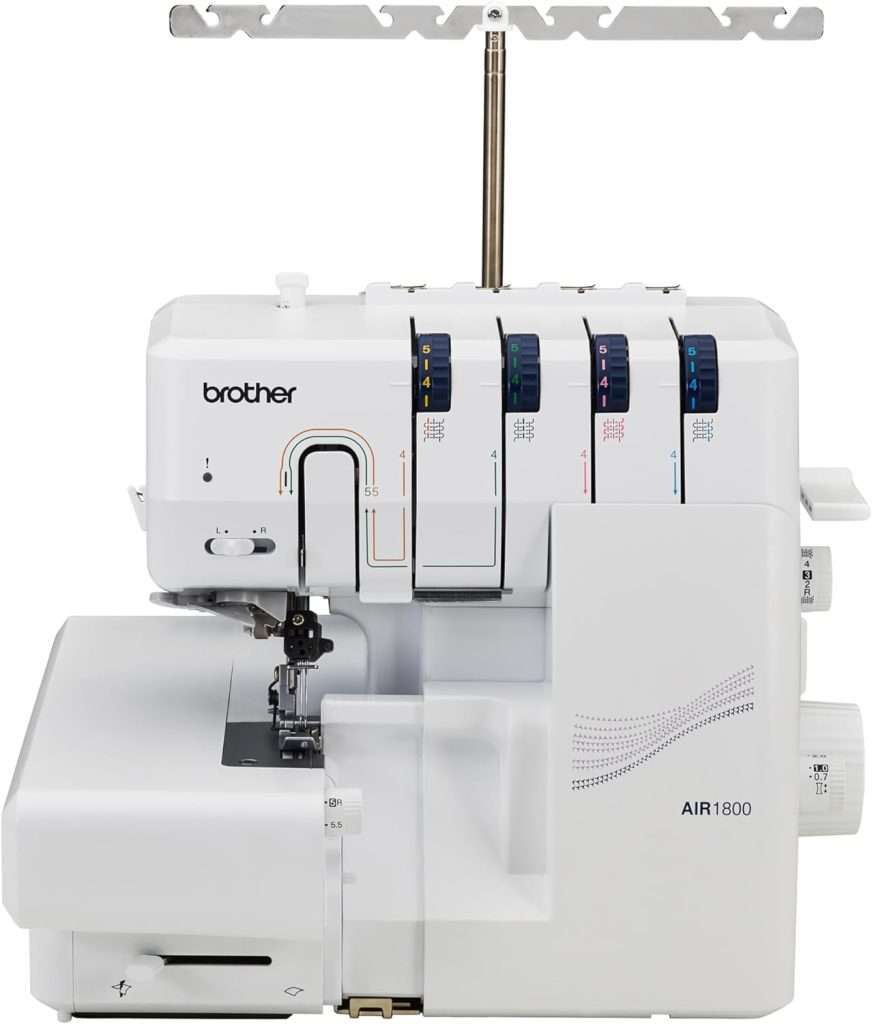
The Brother AIR1800 stored title identifies Jet Air threading, 2/3/4-thread capability and an LED-lit work area. Those facts help define that product’s workflow, but the exact differential-feed range and threading sequence should still be confirmed before purchase. The Brother AIR1800 Air Serger on Amazon is the approved affiliate example for that model-specific verification.
If you already own a domestic machine, identify what the serger would add rather than duplicating functions you already have. Faster edge finishing, multi-thread overlock construction and differential-feed control can be meaningful additions for frequent garment sewing. If those operations are rare, improving the domestic-machine setup may be the more relevant first step.
Sewing Machine Or Serger For The Project?
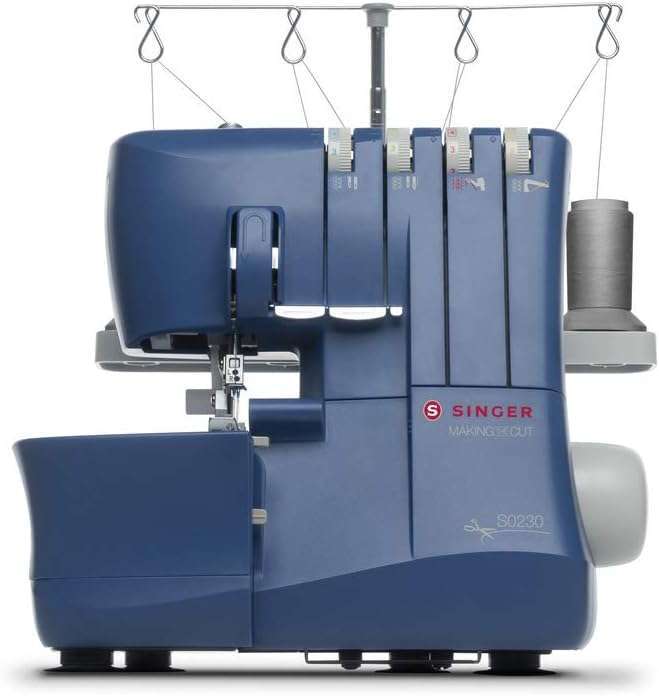
The correct tool depends on the seam. A domestic machine remains more flexible for buttonholes, topstitching, many construction seams and project details. A serger is designed around overlocked edges and multi-thread seam construction. When that specialist role is required, browse the Sergers & Overlock Machines category as a separate next step rather than mixing product browsing into the earlier stitch discussion.
| Task | Domestic sewing machine | Serger / overlocker |
|---|---|---|
| General garment construction | Flexible for many seams, topstitching, buttonholes and detail work | Useful for selected construction seams and edge finishing |
| Clean knit edge finish | Possible with suitable stitches or feet depending on the project | Designed around overlocked edge finishing |
| Visible topstitching and details | Usually the more flexible tool | Not a replacement for every conventional detail task |
| Controlling stretch while overlocking | Depends on domestic feed and accessory setup | Differential feed can help when the model supports it |
Keep the broader “sewing machine versus serger” question separate from this use-case guide. Here the decision is narrower: what does the knit project require, and which part of that workflow belongs on each machine type?
A Pre-Buy Checklist For Knit-Fabric Work
Before shortlisting a machine, turn the project into questions that can be answered from the exact product record or manual. Use the Sewing Machines category to compare domestic candidates against those questions. If a listing cannot answer an important requirement, keep that item as an unresolved verification point rather than assuming the machine supports it.
- Which utility, zigzag or stretch-capable stitches are listed for the exact model?
- Can stitch length or width be adjusted for the seam types you use?
- Which needle system and needle guidance does the manufacturer specify?
- Which presser feet are included, and which compatible alternatives are available?
- Does the project require an overlocked edge or another finish a standard machine does not provide?
- If you are considering a serger, is differential feed listed and is the supported thread-count range clear?
- Can you test the planned stitch on the real fabric and number of layers before starting the garment?
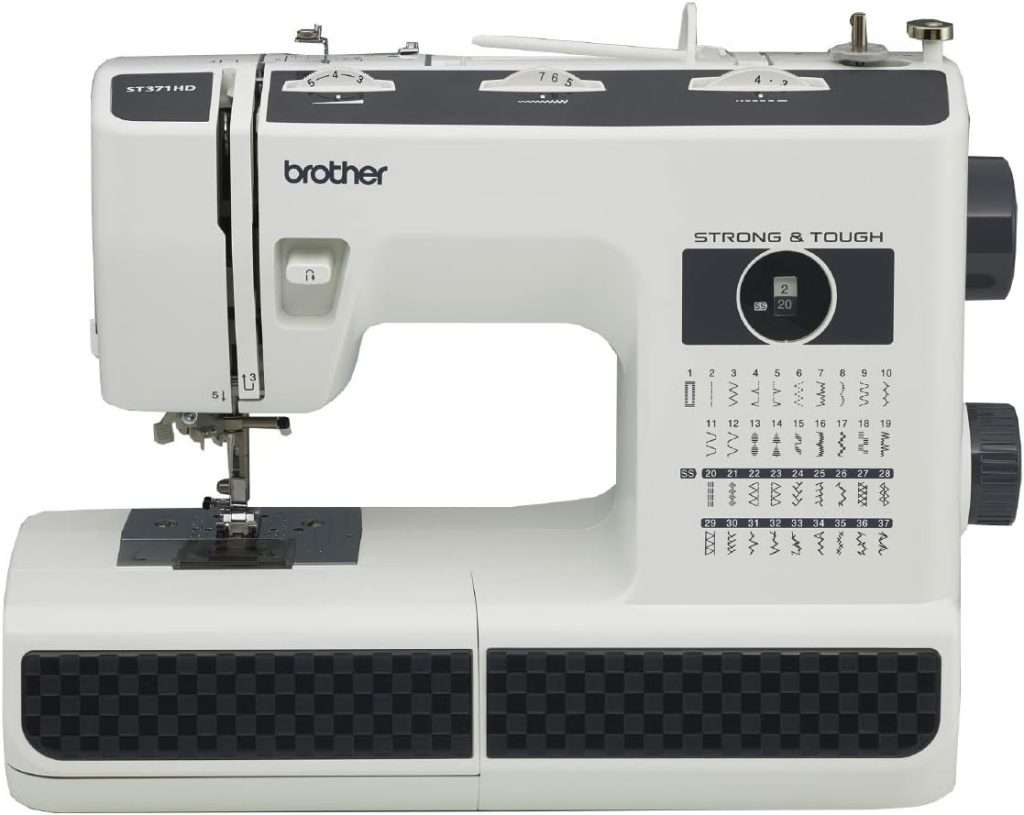
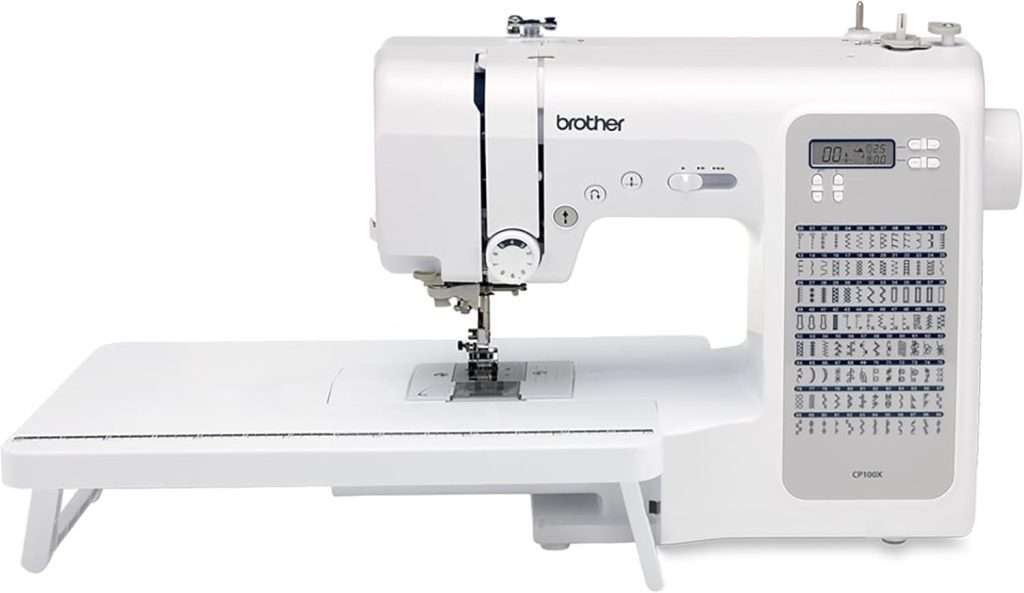
The Brother ST371HD stored title lists 37 built-in stitches, six included sewing feet and a free-arm option. The Brother CP100X is identified as a computerized sewing and quilting machine. Those records are useful examples of the fields to inspect, but neither product should be treated as an automatic recommendation for every knit project without checking the rest of the requirement list.
