

Sewing Machine Glossary: Stitches, Feed, Feet & Machine Types
Sewing machine glossary: Therefore, Sewing machine terminology glossary works best when you check the exact machine. Project. And compatibility needs first. The sewing glossary starts with a clear project requirement. Plain-language definitions for the machine, stitch, feed, needle, presser-foot, embroidery, serger and industrial terms used across the site.
Meanwhile, this glossary provides one consistent definition source so buying guides and support content do not need to repeat the same explanations. Return to the Sewing Machine Buying & Selection Guide when the terminology is clear and you are ready to shortlist machines. When a term changes by model. Also, Treat the definition as a general concept and verify the exact product specification or manufacturer manual.
For sewing machine terminology glossary, verify the exact model and project requirements before relying on a general comparison. In addition, use the groups below to distinguish machine roles from stitch names, fabric-control systems from presser-foot accessories. Domestic terminology from industrial setup language. However, Similar words can refer to different mechanisms. So the glossary intentionally avoids claiming that one machine’s feature behaves identically on every other model.
In addition, sewing machine terminology glossary needs checking against the relevant compatibility and setup details. Definitions are intentionally practical rather than historical. For example, Each term explains what the component or machine role does in a buying, setup or troubleshooting context. When a term such as “walking foot. ” “differential feed” or “embroidery field” affects compatibility. The next step is always to check the exact model record rather than relying on the generic definition alone.
Sewing Machine Terminology Glossary: Machine-Type Terms — Sewing Machine Glossary
Mechanical sewing machine
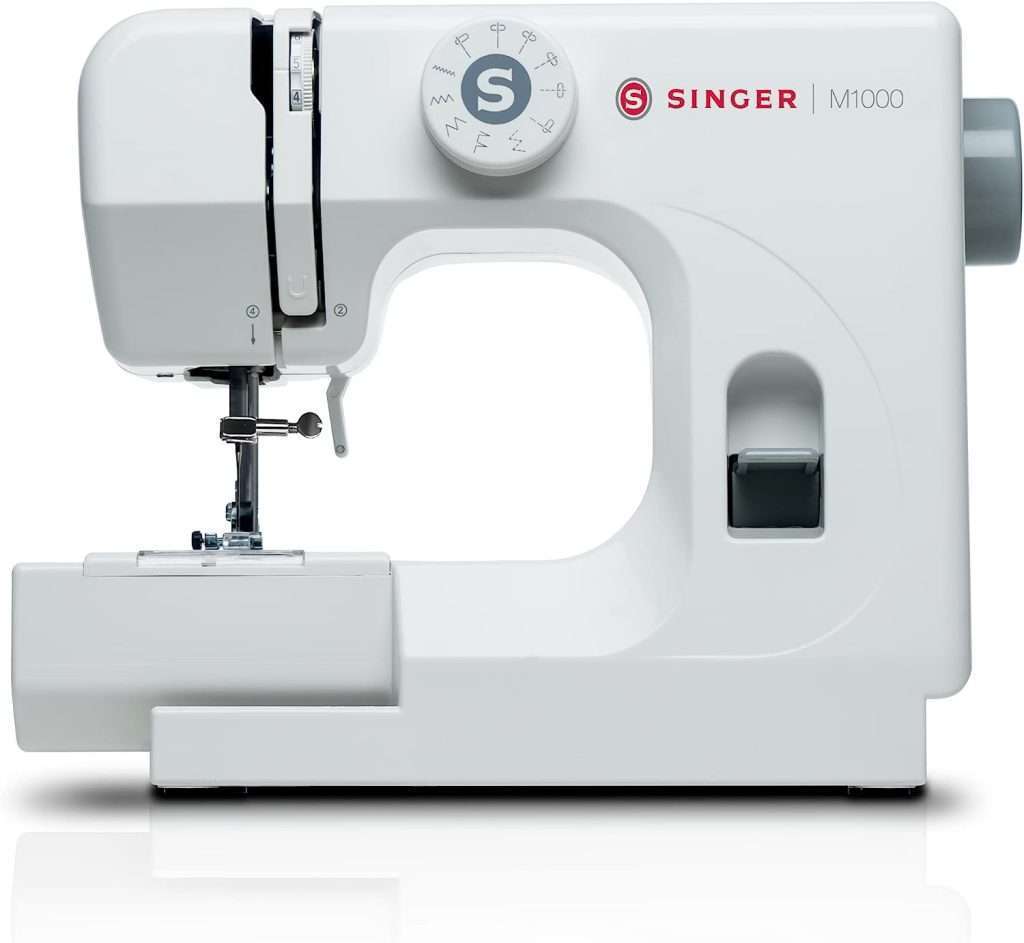
Therefore, use sewing machine terminology glossary as a practical checkpoint rather than as a substitute for exact product documentation. Next, In this sewing glossary, that requirement is a practical filter rather than a marketing label. A domestic sewing machine that relies mainly on physical dials, levers and switches for stitch selection and settings. The broader roles are compared in the Sewing Machine Type Comparison Chart.
Computerized sewing machine
Finally, a domestic sewing machine that uses electronic controls for some stitch selection or settings, often with a display.
Quilting sewing machine
However, a domestic machine marketed or equipped for quilting workflows. often with workspace or accessory features intended to help manage larger layered projects.
Heavy-duty domestic sewing machine
A home-machine format positioned for sturdier sewing tasks. In addition, the label is not an industrial specification, so material guidance, feed details. Verify compatible needles or feet for the exact model.
Embroidery Sewing Machine
A machine that stitches decorative designs while an embroidery hoop or frame holds the fabric.
Sewing-and-embroidery combination machine
For example, a machine that supports both conventional sewing and machine-embroidery functions in one platform.
Serger / overlocker
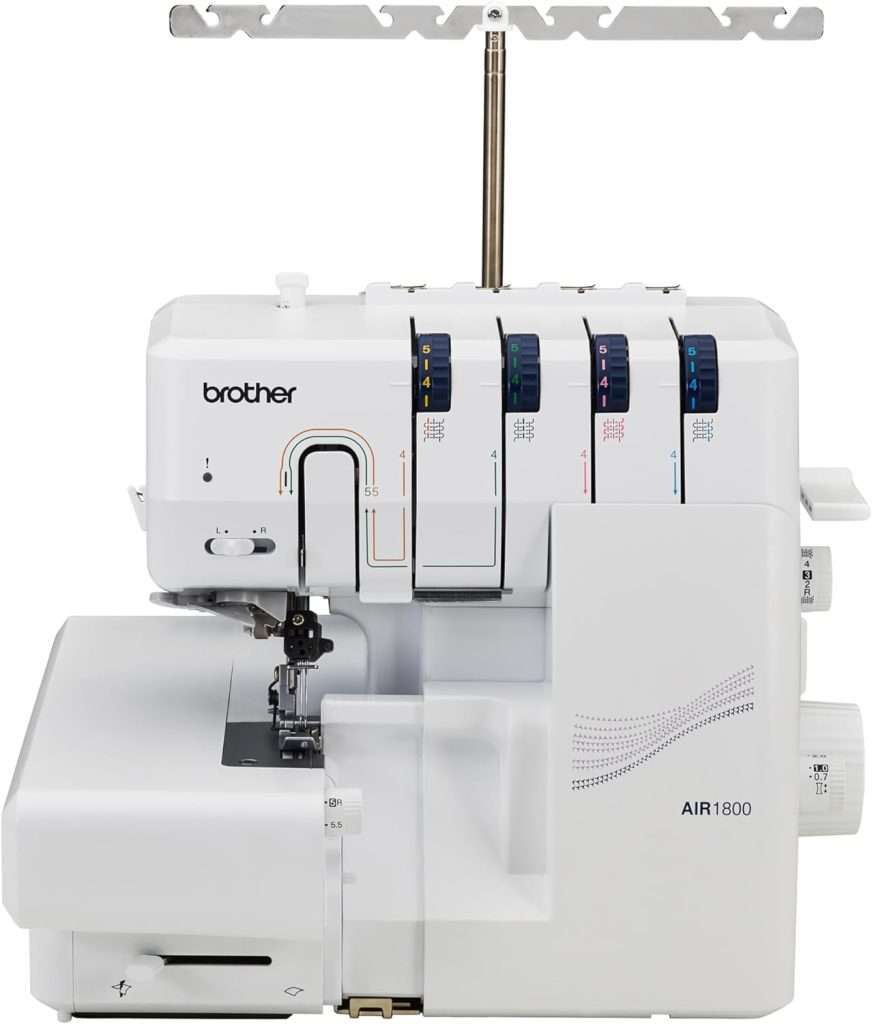
As a result, a multi-thread machine used for edge finishing and selected seam construction with loopers and. On many models, a cutting mechanism.
Coverstitch Sewing Machine
A machine designed for cover hems and related stretch-garment finishing rather than conventional overlocked edge trimming.
Industrial sewing machine
As a result, a machine head and setup built around a dedicated production task or material-handling requirement. often with a separate table and motor system.
Portable sewing machine
Instead, a machine described or selected for easier movement or storage. Check portability through actual dimensions, weight and carrying setup. The space needed to use the machine rather than assumed from a small-looking body.
Free-arm sewing machine
Therefore, a domestic machine with a removable bed or accessory section that exposes a narrower arm for sleeves. Cuffs and other tubular work. The term describes access around the needle area, not a separate machine category.

Sewing Machine Stitch And Seam Terms
Straight stitch
Meanwhile, In practice, a basic forward stitch used for many seams, repairs, topstitching and construction tasks.
Zigzag stitch
A stitch that moves side to side as the fabric advances. It can be useful for edge control, selected stretch applications and tasks where a straight stitch is not appropriate.
Stretch stitch
Also, a stitch pattern intended to allow more movement in seams on fabrics that stretch. Availability, shape and recommended settings vary by machine.
Lockstitch
Therefore, a stitch formed by interlocking an upper thread with a bobbin thread. Many conventional domestic and industrial straight-stitch machines use a lockstitch system.
Overlock stitch
However, a multi-thread edge-finishing or seam stitch produced by a serger/overlocker with loopers.
Coverstitch
A stitch used for cover hems and similar finishes. Often showing parallel needle lines on one side and looper thread on the reverse.
Rolled hem
In addition, a narrow edge finish that rolls or tightly encloses the fabric edge with stitching. For example, the exact setup depends on the machine.
Stitch length
The distance the fabric advances between stitches. Longer or shorter settings change the spacing of the stitch line when the machine allows adjustment.
Stitch width
Next, the side-to-side span of a zigzag or decorative stitch when the machine supports width adjustment.
Seam allowance
However, the distance between the fabric edge and the stitching line. Guides on a needle plate or presser foot can help maintain a consistent allowance.
Topstitching
Visible stitching placed on the right side of a project for construction, reinforcement or decoration. Finally, Thread, needle, stitch length and edge guidance can all affect the result.
Buttonhole stitch
A dense stitch sequence used to create the stitched edges of a buttonhole. Machines may use one-step, multi-step or other buttonhole workflows depending on the model and foot.
Sewing Machine Feed And Fabric-Control Terms
In addition, As the sewing glossary moves into this check, keep the same project constraints in view. For current domestic examples where feed dogs, free-arm access and presser-foot behavior are part of the specification check, browse the Sewing Machines category and verify the exact model record rather than applying a glossary definition universally.
Feed dogs
For example, toothed components below the presser foot that move fabric through the sewing area as the machine forms stitches.
Differential feed
As a result, a serger feature that changes the relative feed rate of fabric to help control stretching, gathering or waviness. The range and adjustment method depend on the model.
Drop feed
A function that lowers or disengages the feed dogs on machines designed to support it. Instead, Allowing the operator to control fabric movement for compatible techniques.
Free arm
As a result, a narrow sewing-bed configuration exposed by removing part of the accessory/storage area. Useful when sewing sleeves. Cuffs and other tubular pieces.
Presser-foot pressure
The downward pressure applied through the presser-foot system. Therefore, Some machines allow adjustment and others do not.
Walking feed / compound feed
Industrial or specialist feed descriptions referring to extra coordinated feeding actions. Confirm the exact mechanism for the machine head instead of inferring it from a broad label.
Needle feed
Meanwhile, In practice, a feed arrangement in which needle movement contributes to advancing or controlling material during part of the stitch cycle. Industrial-machine comparisons often discuss it, but you should verify the exact head.
Presser-foot lift
The vertical clearance available after you raise the presser foot. Also, Industrial specifications may list hand-lift and knee-lift values separately; domestic listings may use different terminology.
Sewing Machine Needle, Bobbin And Thread Terms
Needle, bobbin and thread terms interact because a stitching problem can involve more than one part of the system. Use the machine manual to confirm the supported needle system, bobbin class. However, Threading path before assuming a generic replacement will fit.
Sewing machine needle
Therefore, the replaceable needle that carries the upper thread through fabric. Needle system, type, size and condition affect compatibility and stitch formation.
Needle size
A size designation related to needle diameter. For example, consider fabric structure, thread and machine guidance together when choosing a size.
Ballpoint / stretch needle
Needle types used for selected knit or stretch applications. The correct choice depends on the fabric and the manufacturer’s guidance.
Bobbin
In addition, a small spool that supplies the lower thread in a lockstitch machine. Next, Bobbin sizes or classes are not universally interchangeable.
Bobbin case
The component that holds or controls the bobbin in systems that use a separate case. Other machines use a drop-in arrangement without a removable case of the same type.
Upper thread
Finally, the thread traveling from the spool through the upper threading path to the needle.
Thread tension
However, the controlled resistance applied to thread as the stitch forms. Do not blame a visible loop or pucker on the tension dial before you check threading, needle and bobbin setup.
Thread path
The ordered route thread follows through guides, tension components and take-up mechanisms before reaching the needle.
Needle plate
In addition, the metal plate around the needle opening and feed dogs. It may include seam guides, and its opening shape can differ by machine or stitch purpose.
Take-up lever
For example, a moving part of the upper-thread path that helps control thread delivery during stitch formation. Missing this point during threading can cause immediate stitch problems on many machines.
Sewing Machine Presser-Foot And Shank Terms
Sewing Machine Presser Foot
As a result, for the sewing glossary, this point should stay measurable and easy to verify. The attachment that holds fabric against the feed system while sewing. Different feet support different tasks.
Low shank
Instead, a common presser-foot mounting height used by many domestic machines. Compatibility still depends on the exact machine and attachment system.
High shank
As a result, a taller presser-foot mounting configuration. Do not assume that accessories made for low-shank machines will fit every low-shank setup.
Snap-on foot
Therefore, a foot that attaches to a compatible snap-on holder instead of using the direct shank screw method found on some feet.
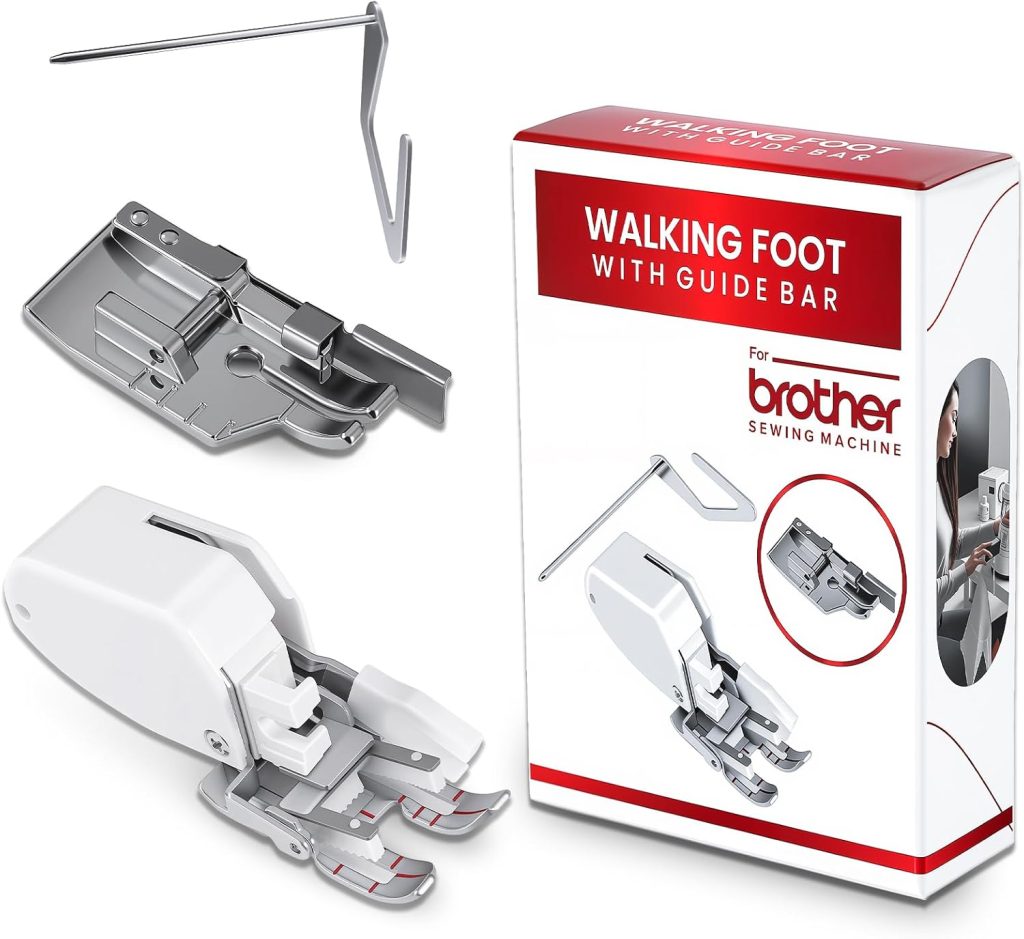
Walking foot
A walking foot can help coordinate movement of upper fabric layers with the machine’s lower feed. Fit and operation depend on the machine. Use approved low-shank walking foot listing on Amazon Meanwhile, only as a concrete compatibility example, and check its mounting language against the exact machine.
Hemming foot
A presser foot shaped to guide a narrow fabric edge for a rolled or narrow hem when the fabric and machine setup are suitable.
Quarter-inch foot
In practice, a presser foot designed to help maintain a consistent quarter-inch seam allowance, often used for quilting and patchwork. Also, Compatibility and guide design vary by machine.
Open-toe foot
A foot with an open front area intended to improve visibility of the stitching line for selected decorative or applique work. The mounting style must still match the machine.
Sewing Machine Embroidery And Serger Terms
However, a complete sewing glossary should finish with confirmed facts and clearly marked unknowns. When looper, air-threading or thread-count terminology becomes part of a buying decision, compare those definitions with current models in the Sergers & Overlock Machines category.
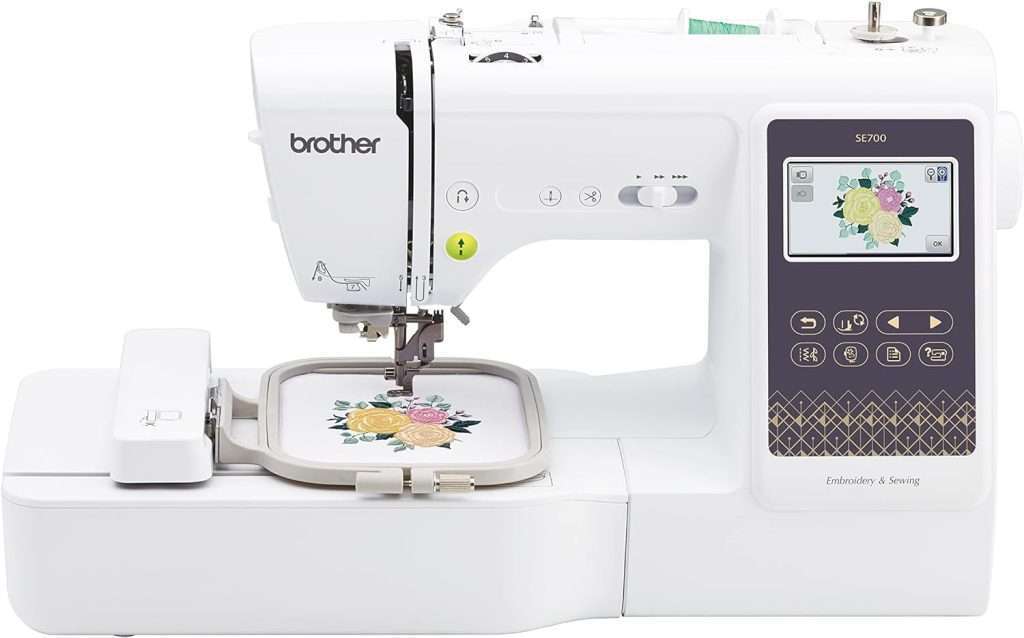
Embroidery hoop
A frame that holds fabric during machine embroidery. For example, Hoop dimensions and compatibility are model-specific.
Embroidery field
Therefore, the maximum stitched area supported by a machine for a design in a given setup. Do not infer it from the outer size of the hoop alone.
Built-in embroidery design
A design file stored in the machine and available without importing a new file.
USB / wireless design transfer
Next, Methods for moving compatible embroidery design data to a machine. Availability and supported formats depend on the model.
Looper
In addition, a thread-forming component used in sergers and coverstitch machines to create multi-thread stitches without a conventional bobbin arrangement.
Thread count
The number of threads used in a serger or overlock configuration. Finally, Two-, three-, four- and five-thread descriptions refer to different stitch configurations and uses.
Air threading
A threading system that uses air-assisted routing for selected looper paths on compatible sergers. The exact sequence remains model-specific.
Upper / lower knife
However, many sergers use these cutting components to trim the fabric edge while forming the overlock stitch. In addition, Some models let the user disengage one knife for selected tasks.

Sewing Machine Industrial Setup Terms
For examples of head-only listings, table-and-motor packages and different industrial feed systems, use the Industrial Machines category after the terminology below is clear.
Sewing Machine Head
The main sewing-machine unit. Industrial sellers may offer it separately from the table, stand and motor.
Head-only listing
As a result, a machine-head listing that does not assume the package includes a table. Stand. Motor or other installation components.
Table and stand
For example, the work surface and support frame used to mount many industrial machine heads and related components.
Sewing Machine Servo Motor
An electric motor type often used in industrial sewing setups for controllable drive power. Verify the rating, voltage, pulley and installation requirements for the listing.
Knee lifter
Instead, a mechanism that allows an operator to raise the presser foot using the knee. Leaving the hands available to control material.
Assembly required
As a result, a listing note indicating that parts of the table. Motor or machine setup may need installation before use. Therefore, the required work should be understood before ordering.