


Buying your first sewing machine does not require an expensive setup. A well-chosen beginner sewing machine under $300 can provide the basic stitches, simple controls, reliable performance, and practical features needed to learn sewing with confidence. The goal is not to find the machine with the longest feature list. It is to choose one that makes threading, stitch selection, speed control, and everyday sewing easier to understand.
For most beginners, a good machine in this budget should handle common home sewing projects such as clothing repairs, pillow covers, tote bags, simple garments, crafts, and basic alterations. Mechanical and computerized models can both work well, but the better choice depends on how much control, automation, and flexibility you want while learning.
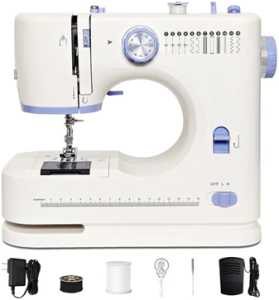
Quick Answer: What Is the Best Sewing Machine for Beginners Under $300?
The best sewing machine for beginners under $300 is usually a full-size model with straightforward controls, reliable stitch quality, adjustable stitch settings, a buttonhole function, and an easy threading system. Features such as an automatic needle threader, speed control, clear stitch labels, and a convenient bobbin system can make learning easier, but beginners do not need dozens of advanced decorative functions to start sewing successfully.
Focus first on reliability and ease of use. A simpler machine that performs basic stitches consistently can be more useful for learning than a complicated model filled with features you may rarely use.
What Makes a Good Beginner Sewing Machine Under $300?
A beginner-friendly sewing machine should reduce unnecessary setup and allow the user to concentrate on learning basic sewing techniques. Controls should be clearly labeled, stitch selection should be easy to understand, and routine tasks such as threading the needle or loading the bobbin should not become major obstacles.
Reliability is equally important. Frequent thread jams, skipped stitches, inconsistent feeding, or excessive vibration can make learning frustrating. A dependable machine helps beginners develop better control because they can focus on guiding the fabric, maintaining seam allowance, and controlling sewing speed instead of repeatedly troubleshooting the equipment.
For first-time users who are still deciding what type of machine suits them, a broader comparison of sewing machines for beginners can help explain the differences between basic mechanical, computerized, compact, and more specialized machines before narrowing the choice to models within a $300 budget.
Key Features to Look for Before You Buy
Machines within the same price range can offer very different features, so it is better to compare practical functions rather than choosing entirely by appearance or the number of stitches advertised.
| Feature | Why It Helps Beginners |
|---|---|
| Adjustable stitch length and width | Provides better control for different fabrics and sewing tasks. |
| Automatic needle threader | Reduces frustration when preparing the machine. |
| Clearly labeled stitch controls | Makes it easier to select and change stitch settings. |
| Buttonhole function | Useful when beginners start making simple garments. |
| Easy bobbin system | Simplifies setup and helps reduce threading mistakes. |
| Speed control or responsive foot pedal | Helps new users sew slowly while developing accuracy. |
| Stable construction | Reduces unnecessary movement during regular sewing. |
| Portable design | Makes storage and transportation easier when space is limited. |
You do not necessarily need every feature in the table. The best combination depends on the projects you plan to sew and how comfortable you are with manual controls.
Mechanical vs Computerized Sewing Machines Under $300
Mechanical sewing machines are often appealing to beginners because their controls are usually direct and easy to understand. Stitch selection, stitch length, and other settings are commonly adjusted through physical dials or switches. This straightforward design can be useful for someone who wants to learn the basic relationship between machine settings, fabric, thread, and stitch formation.
Computerized sewing machines use digital controls to select stitches and manage certain settings. Beginner-friendly computerized models can offer convenient automation and a wider selection of stitches without requiring complicated manual adjustments. They may suit beginners who prefer clearly displayed settings and want additional flexibility as their sewing skills develop.
Neither type is automatically better for every beginner. A simple mechanical model may be ideal for basic repairs and regular practice, while a computerized model may be more suitable for someone interested in decorative stitches and a wider variety of home sewing projects.
How Many Stitches Does a Beginner Really Need?
Large stitch counts can look impressive, but beginners can complete many useful projects with only a small group of essential stitches. Straight stitch is used for basic seams and construction, while zigzag stitch can help with edge finishing, stretch applications, and several common sewing techniques. A buttonhole function becomes useful when making garments or accessories with closures.
Decorative stitches can add flexibility, but they should not be the main reason to choose one machine over another. Reliable stitch formation and easy adjustment are more valuable during the early stages of learning.
As sewing skills improve, additional stitch options may become more useful. Beginners can therefore choose a machine that covers essential tasks first while still leaving enough flexibility for future projects.
Why Build Quality Matters on an Affordable Sewing Machine
An affordable price does not mean a machine should feel unstable during normal use. A beginner sewing machine should remain reasonably steady while stitching and feed fabric consistently through the machine. Stable construction makes it easier to guide material accurately and maintain straight seams.
Build quality is especially important for people who expect to practice frequently. Repeated sewing sessions place more demand on the machine than occasional repairs, so durability and smooth operation should be considered alongside price.
A lightweight machine can still be useful, particularly when it needs to be stored after every sewing session or carried to classes. The goal is to find a practical balance between portability and stability rather than simply choosing the lightest or heaviest option available.
What Fabrics and Projects Should a Beginner Machine Handle?
A beginner machine should work comfortably with the common materials used in basic home sewing. Cotton fabrics are particularly useful for learning because they are generally easy to control. Beginners may also progress to simple garment fabrics, craft materials, home décor projects, and basic clothing repairs as their confidence improves.
Examples of useful first projects include pillow covers, tote bags, simple hems, fabric organizers, basic garments, and straightforward alterations. These projects allow beginners to practice essential skills such as sewing straight lines, turning corners, controlling seam allowance, and maintaining consistent stitching.
If you plan to work regularly with thick fabric or several heavy layers, check whether the machine is designed for that purpose before buying. A standard beginner machine and a dedicated heavy-duty sewing machine are designed for different levels of demanding work.
Do Beginners Need an Automatic Needle Threader?
An automatic needle threader is not essential for producing good stitches, but it can make setup more convenient. Threading the needle is one of the small tasks that can become frustrating for a new user, especially when the threading path and machine controls are still unfamiliar.
Other convenience features can have a similar benefit. A simple bobbin system, visible stitch labels, an accessible reverse control, and good lighting around the needle area can reduce interruptions during practice. These small usability improvements can matter more to a beginner than having a large collection of decorative stitches.
Best Sewing Machines for Beginners Under $300
Different beginners need different types of machines. Some prefer simple mechanical controls, while others want computerized stitch selection or extra power for thicker fabrics. These three sewing machines provide useful options within the under-$300 range.
| Sewing Machine | Best For | Key Beginner Benefit |
|---|---|---|
| Brother CS7000X | Computerized sewing and quilting | Easy stitch selection, speed control, automatic needle threading, and a wide range of built-in stitches. |
| Janome Arctic Crystal | Simple mechanical sewing | Straightforward dial controls, essential stitches, adjustable stitch settings, and beginner-friendly operation. |
| SINGER Heavy Duty 4423 | Beginners planning thicker-fabric projects | Mechanical controls, stable construction, needle threading assistance, and additional power for demanding materials. |
The Brother CS7000X offers more computerized convenience, while the Janome Arctic Crystal keeps operation simple for beginners who prefer mechanical controls. The SINGER 4423 is better suited to users who expect to work with heavier materials more frequently. Choose according to the projects you plan to sew rather than selecting a machine only by stitch count.
How to Choose the Right Sewing Machine Within a $300 Budget
Start by thinking about the projects you actually expect to make during your first year of sewing. Someone mainly interested in clothing repairs may need fewer features than a beginner planning to make garments, crafts, accessories, and home décor items.
Next, compare the controls. A beginner should be able to understand how to select a stitch, adjust basic settings, wind and insert the bobbin, thread the machine, reverse the stitch direction, and control sewing speed without unnecessary complexity.
Finally, consider whether the machine gives you enough room to grow. The ideal affordable sewing machine should be simple enough for your first projects while offering enough flexibility that you do not immediately feel the need to replace it as your skills improve.
Common Mistakes When Buying a First Sewing Machine
- Choosing a machine mainly because it advertises a very high number of stitches.
- Ignoring ease of threading, bobbin setup, and control layout.
- Buying a specialized machine when most planned projects are simple home sewing tasks.
- Assuming a higher price automatically means the machine will be easier for a beginner.
- Ignoring machine size and storage needs before purchasing.
- Expecting a basic beginner model to perform the same work as a dedicated heavy-duty machine.
A better approach is to match the machine to your actual sewing goals. Reliable basic performance is more important than paying for features that may never become part of your regular sewing routine.
Is a Sewing Machine Under $300 Enough for Learning?
Yes. A beginner does not need a premium sewing machine simply to learn straight seams, zigzag stitching, hems, basic garment construction, repairs, and everyday craft projects. A well-selected machine within a $300 budget can provide enough functionality for these core skills while keeping the initial investment manageable.
The important factor is how well the machine supports learning. Simple controls, consistent stitching, useful basic functions, and dependable operation can provide a stronger beginner experience than an unnecessarily complex machine.
As experience grows, some sewists eventually move to machines with more advanced functions. Others continue using the same reliable beginner model for years because it already handles the projects they enjoy making.
Final Verdict: Choosing the Best Beginner Sewing Machine Under $300
The best sewing machine for beginners under $300 should make sewing easier rather than more complicated. Look for straightforward controls, essential stitches, reliable feeding, stable construction, convenient threading, and enough flexibility for the projects you expect to complete.
Do not judge a beginner machine only by the number of automated features it offers. A machine that allows you to thread it confidently, select stitches quickly, control sewing speed, and produce consistent seams gives you a stronger foundation for developing real sewing skills.
Choose according to your projects, available space, preferred control style, and learning goals. With the right beginner-friendly machine, a budget below $300 can still provide everything needed to begin sewing, practice regularly, and gradually progress to more advanced projects.
Frequently Asked Questions
What is the best sewing machine for beginners under $300?
The best option is a reliable, easy-to-use machine with essential straight and zigzag stitches, simple controls, a convenient threading system, and enough flexibility for common beginner projects. The ideal model depends on whether you prefer mechanical controls or computerized features.
Are affordable sewing machines reliable for beginners?
Affordable sewing machines can be suitable for beginners when they provide stable construction, consistent stitching, simple controls, and the basic functions required for regular home sewing. Price alone does not determine how easy a machine is to learn.
How many stitches should a beginner sewing machine have?
Beginners do not need a large stitch library. Straight stitch, zigzag stitch, and a buttonhole function can cover many basic sewing projects. Additional decorative stitches are useful for creativity but are not essential when learning core skills.
Should a beginner buy a mechanical or computerized sewing machine?
Mechanical machines are useful for beginners who prefer simple manual controls, while computerized machines can provide convenient digital stitch selection and automated features. Both can be beginner-friendly when their controls are easy to understand.
Can I learn sewing on a machine that costs less than $300?
Yes. A machine within this budget can be suitable for learning basic seams, repairs, simple garments, crafts, and home sewing projects. Prioritize reliability, ease of use, essential stitches, and good control rather than choosing solely by price or feature count.
