

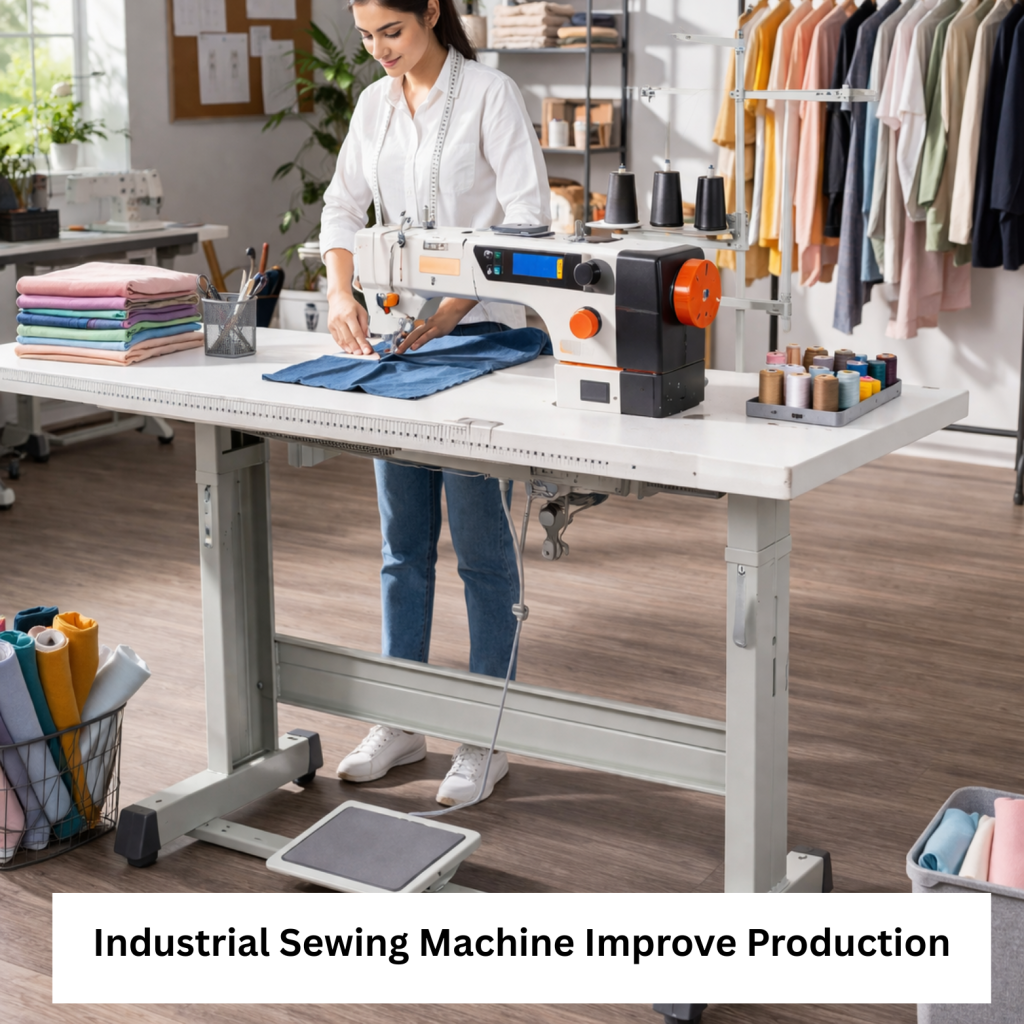
Unlike standard home machines, industrial models are built to handle high volumes of work with precision, durability, and speed.
But what makes them effective at improving production quality, and why are they such a valuable investment for manufacturers?
The Role of Industrial Sewing Machines in Modern Production
Industrial sewing machines are foundational in modern production, offering the speed, consistency, and power needed for large-scale operations. These machines have high-powered motors and durable parts, enabling continuous use without compromising performance.
Unlike household machines, industrial models can handle more rigid fabrics and higher stitching volumes, making them ideal for apparel, upholstery, and automotive manufacturing industries.
These machines’ heavy-duty build and customizable settings allow them to work with a broad range of materials, from delicate fabrics to heavy textiles. This adaptability means manufacturers can rely on industrial machines to produce quality products across different projects without constant adjustments.
In addition, industrial sewing machines reduce the likelihood of errors, ensuring each piece meets specific quality standards. Ultimately, their role in modern production is essential, offering a reliable solution for consistent, high-quality output at a large scale.
Increased Efficiency and Precision in Stitching
Industrial sewing machines significantly enhance efficiency and precision, two vital factors in achieving high production quality. These machines operate faster than standard machines, equipped with robust motors and advanced features, drastically reducing production time.
The precision in stitching ensures that each product meets strict quality control requirements. Which are essential in industries where appearance and durability matter.
Features like automatic threading, tension control, and computerized adjustments minimize manual intervention, reducing human error and producing a high-quality, professional finish.
Industrial sewing machines allow operators to work on intricate designs or repetitive tasks without compromising consistency.
With faster output and precise stitching, manufacturers meet demand efficiently while maintaining superior product standards.
These machines’ efficiency directly impacts a company’s bottom line. Enabling them to produce more with less time. Which translates into cost savings and higher customer satisfaction due to reliable product quality.
Durability and Consistency for High-Quality Output
One of the standout advantages of an industrial sewing machine is its durability, which directly contributes to consistent, high-quality output. Built with heavy-duty materials, these machines can withstand the demands of continuous use, making them essential in high-production environments.
Industrial sewing machines maintain their stitching accuracy over time, ensuring that each product is created with the same quality as the last. This reliability is particularly valuable in industries where consistent production quality is critical to maintaining brand reputation and customer trust.
Because they are designed for long-term, intensive use, industrial sewing machines minimize downtime related to repairs or maintenance. Reduced downtime keeps production on schedule, making these machines a cost-effective choice for large operations.
The robust build also means they can handle thicker and more challenging materials. Such as leather or canvas, which broadens their application across different sectors. This consistency ultimately reinforces a brand’s commitment to quality.
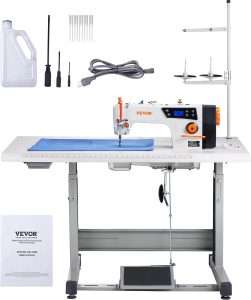
Advanced Features That Enhance Production Quality
Today’s industrial sewing machines have advanced features that further elevate production quality. Many models offer programmable stitching patterns, automatic thread cutting, and adjustable tension settings, allowing manufacturers to customize their approach for different projects.
These features enhance precision and reduce the need for manual adjustments, leading to fewer errors and more consistent output. Digital and computerized industrial machines allow operators to set specific stitch types and replicate patterns, which is beneficial for complex or high-volume projects.
Ergonomically designed machines also help reduce operator fatigue, making maintaining quality during extended production runs easier. Additionally, some machines can handle specialized fabrics and stitching techniques, allowing manufacturers to expand their product range.
These advanced features improve production quality and enhance efficiency, enabling manufacturers to meet customer demands with precision and variety while reducing time and labour costs.
Cost-Effectiveness of Industrial Sewing Machines in the Long Run
Though industrial sewing machines may have a higher upfront cost, their long-term cost-effectiveness makes them wise investments. Their durability and advanced features lead to significant savings by minimizing maintenance and reducing the need for frequent repairs or replacements.
Additionally, industrial machines’ efficiency allows manufacturers to increase output without expanding labour costs, as automated functions reduce the amount of manual labour required. These machines help maintain a streamlined production process by delivering consistent quality with minimal downtime.
Furthermore, the ability to work at high speeds and produce flawless results means companies can meet customer demand faster and more efficiently, increasing profitability.
Over time, the initial investment in an industrial sewing machine translates into cost savings and higher production volumes, proving beneficial to any large-scale manufacturing operation that prioritizes quality and efficiency. The economic advantages of industrial sewing machines make them invaluable for high-volume production settings.
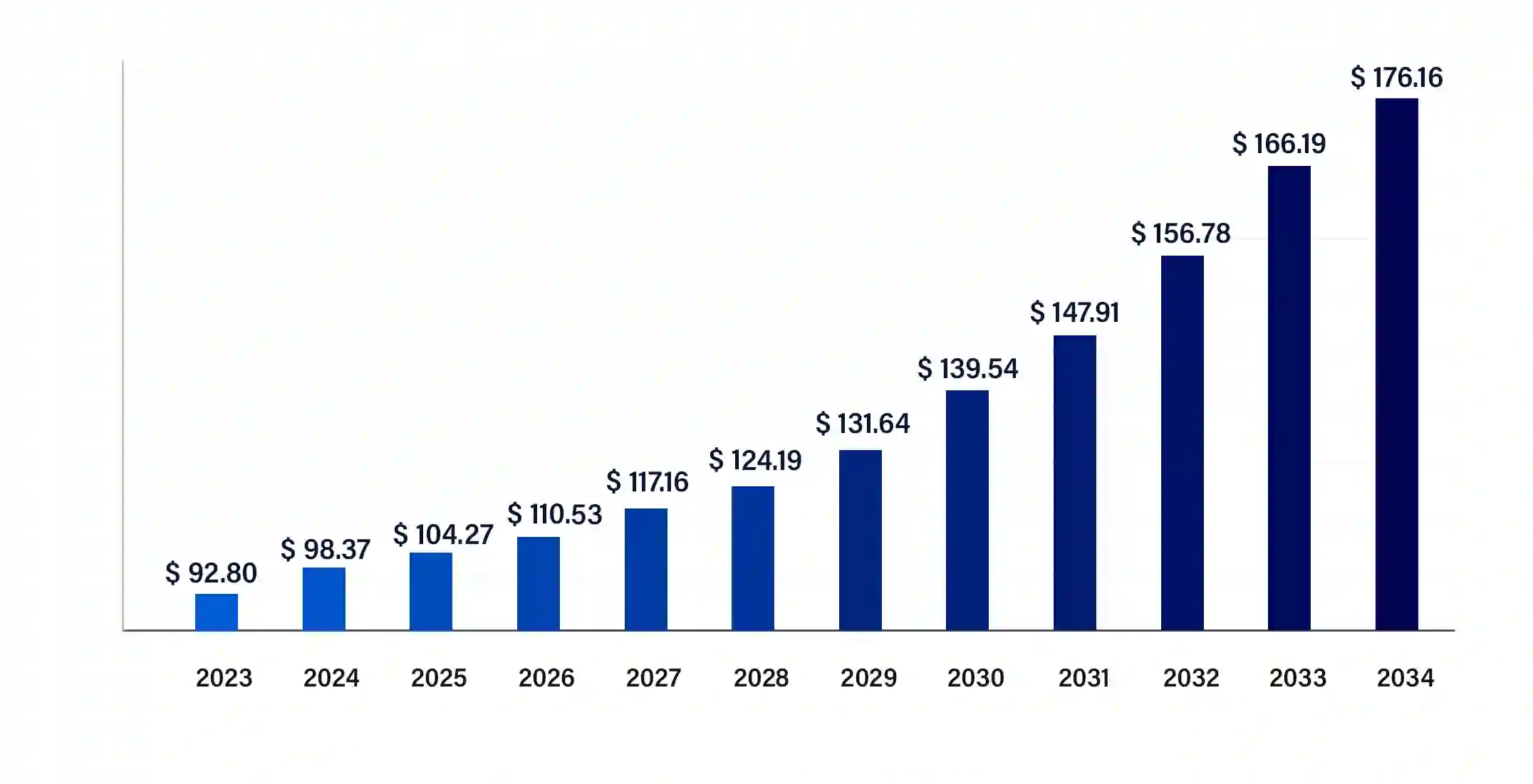
Global Industrial Sewing Machine Market Size Forecast 2023-2034
The global industrial sewing machine market is projected to experience steady growth from 2023 to 2034. Driven by increasing demand from industries such as apparel, automotive, and upholstery.
As manufacturers aim to enhance production quality and efficiency, industrial sewing machines have become essential for high-volume, precision-driven tasks.
Technological advancements, including automated and computerized sewing machines, enable faster, more accurate stitching, reducing human error and improving output quality.
This shift is particularly prominent in emerging markets, where the growing textile and apparel sectors invest in modern, durable machinery to meet global standards.
Additionally, the demand for sustainable and long-lasting products is prompting manufacturers to rely on high-efficiency machines that reduce waste and energy consumption.
The market is further boosted by the rising trend of customization in fashion and upholstery, increasing the need for versatile, programmable machines.
With ongoing innovations, the industrial sewing machine market is set for continued expansion, catering to the global manufacturing sector’s evolving needs.
Conclusion
In conclusion, industrial sewing machines are essential for businesses looking to elevate production quality, efficiency, and consistency. Providing durable, precision-driven equipment with advanced features enhances the entire manufacturing process, from initial production stages to final output.
These machines streamline operations and ensure quality that reinforces customer trust and brand reputation. For any business in high-volume manufacturing, an investment in an industrial sewing machine is a step toward more sustainable, cost-effective production.
In today’s competitive market, such reliability and efficiency can make a significant difference. Making industrial sewing machines indispensable assets for companies committed to excellence.
