


Choosing between a sewing machine and a serger depends on the type of sewing you plan to do. A sewing machine is the more versatile option for construction, repairs, straight stitches, zigzag stitches, buttonholes, and general sewing, while a serger is designed mainly for fast seam finishing, trimming raw fabric edges, and creating professional-looking overlock stitches. For most beginners, a sewing machine is the better first machine, while a serger works best as a complementary tool for garment sewing and clean edge finishing.
Quick Answer:A sewing machine is best for general-purpose sewing and should usually be your first machine. A serger is better for fast, stretchy seams and professional edge finishing, but it does not fully replace a standard sewing machine. Many sewists eventually use both because each machine performs different tasks.
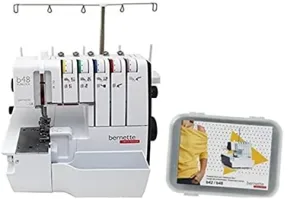
A sewing machine and a serger are designed for different jobs rather than competing for exactly the same purpose. Sewing machines handle construction, repairs, decorative stitches, buttonholes, zippers, and many everyday sewing tasks. Sergers, also called overlock machines, specialize in trimming fabric edges while stitching and enclosing the raw edge at the same time. Understanding these core differences makes it easier to decide whether you need a sewing machine, a serger, or eventually both.
What Does a Sewing Machine Do?
A sewing machine is a versatile tool designed to join fabric using a wide range of stitches. Most machines can handle straight stitching, zigzag stitching, hems, repairs, buttonholes, zippers, and basic garment construction, making them suitable for both beginners and experienced sewists.
Unlike a serger, a standard sewing machine can sew in the middle of a fabric panel as well as along the edges. This makes it useful for creating complete projects rather than mainly finishing seams. Depending on the model, it may also support quilting, decorative stitching, stretch stitches, and specialty presser feet.
For anyone buying their first machine, a sewing machine is usually the more practical starting point because it can handle a much wider variety of everyday sewing tasks.
What Does a Serger Do?
A serger, also known as an overlock machine, is designed to sew seams, trim excess fabric, and finish raw edges in a single operation. It usually works with multiple threads at the same time, creating strong, flexible seams with a clean and professional appearance.
Sergers are especially useful for garment construction, knit fabrics, stretch materials, and projects where neat edge finishing is important. Unlike a standard sewing machine, a serger trims the fabric edge as it stitches, helping reduce fraying and creating a polished finish.
Why Are Sergers Faster?
Sergers are built for continuous seam construction and edge finishing, which allows them to work quickly on garments and longer seams. Their specialized stitch formation makes them particularly efficient when working with clothing, stretchy fabrics, and repetitive seam finishing.

Professional Edge Finishing
One of the main advantages of a serger is its ability to wrap thread around the raw edge of fabric. This creates a durable overlock finish that helps prevent fraying and gives garments a cleaner, more professional appearance.
Sewing Machine vs Serger: Key Differences
The biggest difference between a sewing machine and a serger is the type of work each machine is designed to perform. A sewing machine offers greater versatility for complete sewing projects, while a serger specializes in fast seam construction and professional edge finishing.
| Feature | Sewing Machine | Serger |
|---|---|---|
| Main Purpose | General sewing and project construction | Seam finishing and edge trimming |
| Stitch Options | Straight, zigzag, decorative, stretch and specialty stitches | Overlock and specialized finishing stitches |
| Fabric Cutting | Does not trim fabric while sewing | Trims excess fabric while stitching |
| Threads Used | Usually one upper thread and one bobbin thread | Commonly uses multiple threads |
| Sewing Location | Can sew anywhere on the fabric | Primarily works along fabric edges |
| Speed | Moderate, depending on the model | Generally faster for seam finishing |
| Best For | Repairs, quilting, zippers, buttonholes and general sewing | Garments, knits, stretch fabrics and finished seams |
| Beginner Use | Usually easier as a first machine | Requires additional threading and setup practice |
| Can It Work Alone? | Yes, for most everyday sewing projects | Best used alongside a sewing machine |
Which Machine Is Faster?
A serger is generally designed to handle seam finishing more quickly than a standard sewing machine because it can stitch, trim the fabric edge, and finish the seam in one continuous process. However, actual sewing speed varies by machine model and project type. Speed should not be the only deciding factor—a sewing machine offers broader functionality, while a serger is more specialized for fast, clean seam finishing.
Should You Choose a Sewing Machine or a Serger?
Choose a sewing machine if you need one versatile machine for everyday sewing, repairs, garment construction, quilting, buttonholes, zippers, and decorative stitching. For beginners, it is usually the better first purchase because it can handle a wider variety of projects.
Choose a serger if your main priority is faster seam finishing, trimming raw edges, sewing stretch fabrics, or creating a more professional finish on garments. A serger is especially useful for clothing projects, but it works best as a complement to a standard sewing machine rather than a complete replacement.
For many sewists, the most practical setup is to start with a sewing machine and add a serger later as their projects become more advanced.
Frequently Asked Questions
1. What is the main difference between a sewing machine and a serger?
A sewing machine is designed for general sewing tasks such as garment construction, repairs, buttonholes, zippers, quilting, and decorative stitching. A serger mainly trims fabric edges and creates overlock stitches for fast, professional seam finishing.
2. Can a serger replace a sewing machine?
No. A serger can handle many garment seams and edge-finishing tasks, but it cannot perform every function of a standard sewing machine. Tasks such as buttonholes, zipper installation, topstitching, and many decorative stitches are better suited to a sewing machine.
3. Should a beginner buy a sewing machine or a serger first?
For most beginners, a sewing machine is the better first purchase because it can handle a wider range of projects. A serger can be added later when faster seam finishing and professional garment edges become more important.
4. Do I need a serger if I already have a sewing machine?
Not necessarily. A sewing machine can complete most everyday sewing projects. A serger becomes useful if you frequently sew garments, knit fabrics, stretch materials, or want faster and cleaner edge finishing.
5. Which is better for stretch fabrics: a sewing machine or a serger?
A serger is especially useful for stretch and knit fabrics because its overlock stitches can flex with the material. Many sewing machines can also handle stretch fabrics when the correct stretch stitch, needle, and settings are used.
6. Is a serger faster than a sewing machine?
A serger is generally faster for seam construction and edge finishing because it can stitch, trim, and finish the fabric edge in one operation. Actual speed varies by model and project.
