


An industrial lockstitch sewing machine can transform repetitive straight-seam work, but it is valuable only when the business has enough suitable work to justify a dedicated table, motor, maintenance routine, and single-stitch function. Unlike a domestic machine, a standard industrial lockstitch is designed to stay installed, run for long periods, and perform one job consistently. […]
Category Archives: Sewing Machine
sewing-machine helps buyers compare this tag with clear, practical criteria. First, define the project and setup you expect to use. Next, check the exact product details that affect fit and results. Finally, confirm missing details on the product page before buying.
sewing-machine: What Buyers Should Compare
Start with the job the product must handle. Then, compare only confirmed features that affect your work. Also, check size, controls, included parts, and compatibility. However, do not assume a similar model includes the same features.
Next, compare each listing with the same checklist. This makes useful differences easier to see. Therefore, keep unknown specifications marked as unknown. Instead, use the exact listing as the final reference.
Fit, Setup, and Compatibility
Before choosing, review the practical setup around the product. In addition, consider the space, accessories, and routine needed for normal use. As a result, you can avoid a model that looks suitable but does not fit your workflow.
- Project fit: Match stitches and controls to the work you actually do.
- Machine setup: Check threading, bobbin style and everyday controls.
- Workspace: Confirm size, weight and table space before buying.
- Accessories: Verify included feet, needles and compatible extras.
Also, use the same checks for every product you compare. This keeps the decision consistent. Therefore, differences remain easy to explain. Finally, confirm important details before ordering.
Related Guides and Shopping Paths
For broader context, use the category and guides below. These links explain related choices without replacing exact product specifications. Also, open the buying hub for a wider comparison. Then, return to the product page for current details.
- Sewing Machines — browse the related Product Category.
- Sewing Machine Buying & Selection Guide — use the main buying guide.
- Sewing Machine Type Comparison Chart — Compare machine types before deciding which features and format fit the project.
- Sewing Machine Compatibility Checklist — Check needles, feet, bobbins and other compatibility details before buying.
- Size, Weight & Workspace Guide — Plan machine dimensions, storage and the work surface around the real setup.
Selected Products for sewing-machine
Next, compare these current catalog products. Each link opens the exact product page. Therefore, you can verify current specifications before choosing. Also, compare included parts and compatibility on the same basis.
- SINGER | M1000.662 Sewing Machine – 32 Stitch…
- SINGER | 4423 Heavy Duty Sewing Machine With…
- SINGER | Heavy Duty 4452 Sewing Machine
See this product on Amazon: view the product listing.
Common Buyer Questions
What should I verify first? First, confirm the features, fit, and setup that affect your project. Then, check included items and compatibility. Finally, verify missing details on the exact listing.
How should I compare similar listings? Compare the same fields for every product. However, do not fill gaps from a similar model. Instead, keep unknown details unresolved until the seller confirms them.
Finally, sewing-machine should narrow the choice without replacing product-specific details. Use the current listing as your final source.

12
Aug
Aug
A mini sewing machine for beginners can be a low-cost way to practice straight seams, but it should not be mistaken for a smaller version of every full-size machine. Most mini models have limited piercing power, fewer controls, a small work area, and lightweight feeding components. They can be useful for simple woven-fabric exercises and […]

07
Aug
Aug
An embroidery machine with WiFi can remove repeated USB steps, but wireless capability is only useful when the transfer workflow fits your devices and design sources. Some machines connect through a brand application, some receive files from desktop software, and others use WiFi mainly for updates or cloud features. Before ordering, verify what the connection […]
03
Aug
Aug
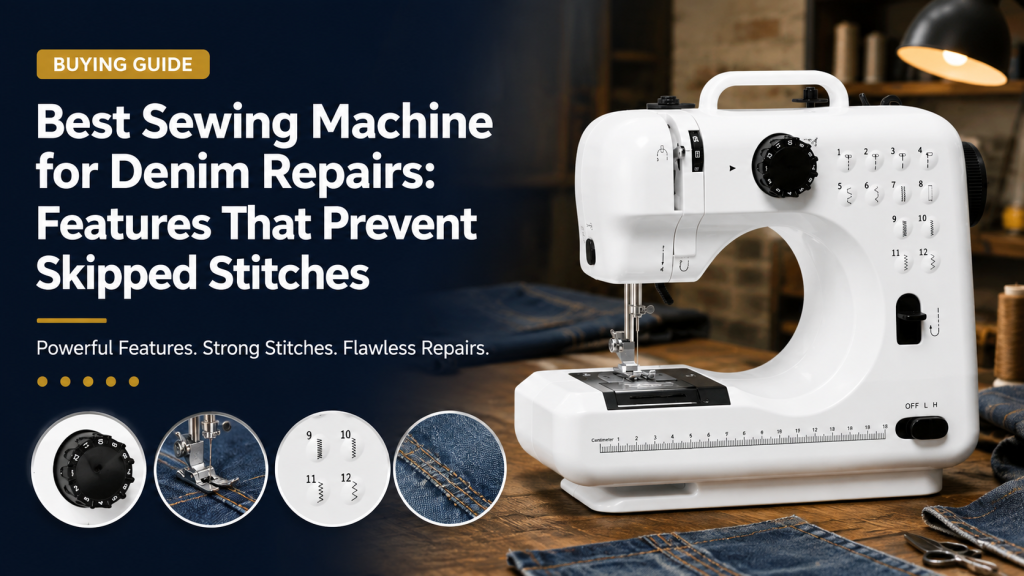
The best sewing machine for denim repairs is not simply the model with the largest motor claim. It is the machine that can start slowly, feed several layers evenly, penetrate a bulky seam without deflecting the needle, and keep its stitch formation stable when the thickness changes. This guide explains what to test before buying […]
29
Jul
Jul
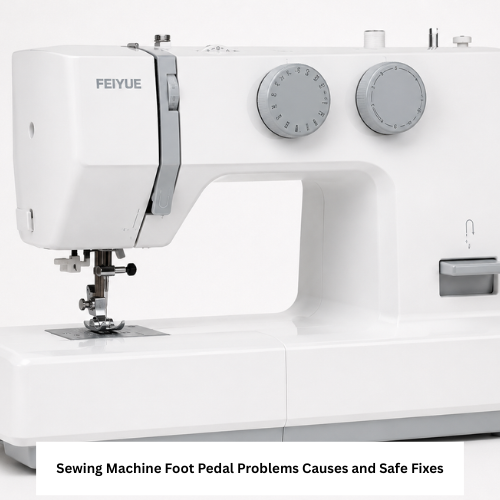
A sewing machine foot pedal controls when the motor runs and how quickly many machines sew. If it stops responding works intermittently or causes sudden speed changes the problem may involve the plug cable contamination compatibility or an internal electrical fault. Stop using the machine if you notice heat a burning smell sparking exposed wiring […]
28
Jul
Jul
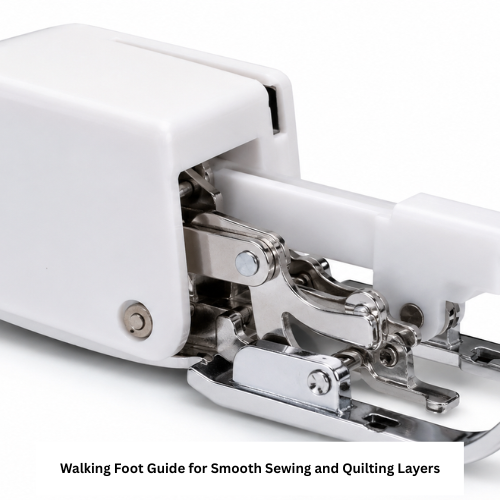
A walking foot helps move the upper fabric layer while the feed dogs move the lower layer. It is useful for quilts matching patterns slippery materials and stacked layers that tend to shift. It is not needed for every seam. American sewing machine readers should identify the feeding problem and confirm the machine shank mounting […]
27
Jul
Jul
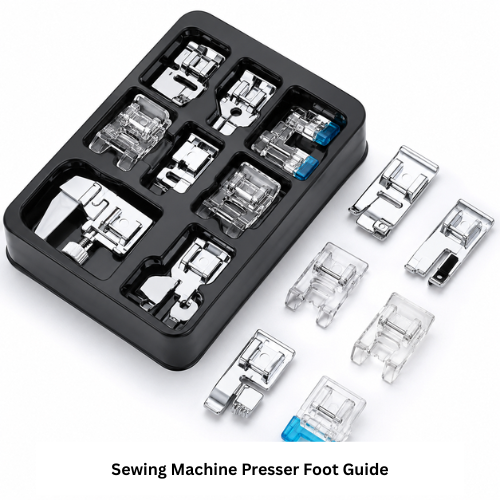
Choosing the right sewing machine presser foot can make specific sewing tasks easier and more precise. Different presser feet are designed for jobs such as installing zippers, sewing buttonholes, creating hems, quilting layers, edge stitching, and general-purpose sewing. The best option depends on the project, fabric, stitch type, and your sewing machine. Presser feet are […]
22
Jul
Jul
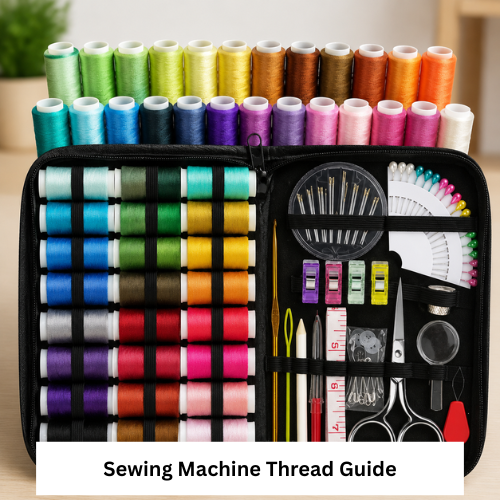
Choosing the right sewing machine thread affects seam strength, stitch appearance, tension balance, lint buildup, and how smoothly fabric feeds. Buyers should match thread fiber and thickness to the fabric, needle eye, stitch type, machine, and intended use instead of choosing only by color. A reliable thread can still stitch poorly when it is too […]
21
Jul
Jul
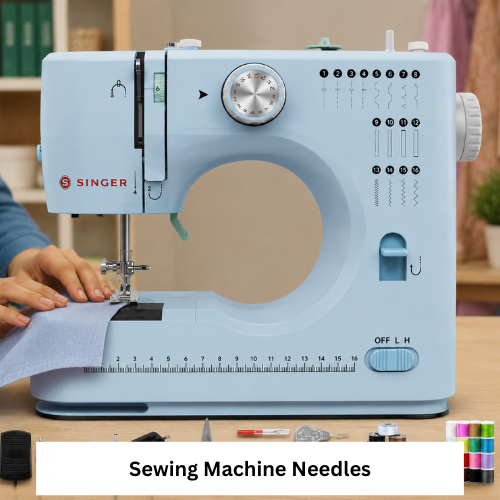
Choosing the right sewing machine needles can prevent skipped stitches, puckering, broken thread, and fabric damage. The best choice depends on fabric structure, thickness, thread weight, stitch type, and the needle system accepted by your machine. A needle that works well on woven cotton may perform poorly on stretch knit or dense denim. This guide […]
20
Jul
Jul
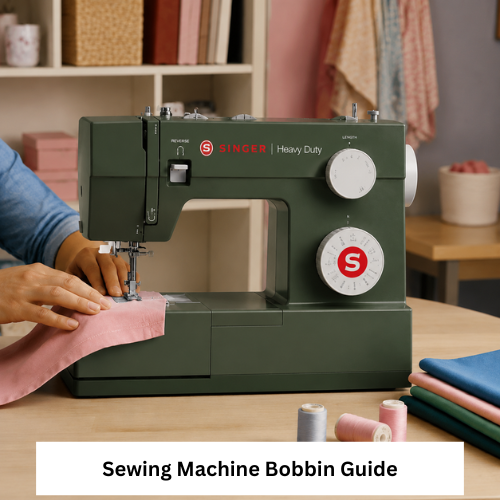
Choosing the correct sewing machine bobbin is essential for balanced stitches, smooth thread delivery, and reliable operation. A bobbin that is slightly different in height, diameter, shape, or material can cause poor tension, noise, jams, or damage even when it appears to fit. Buyers should identify the machine model, required bobbin class, bobbin-case style, and […]