Mastering the Art of Sewing: A Comprehensive Guide to Understanding Your Serger Machine
If you’ve ever walked into a fabric store and marveled at the beautifully finished edges of garments, chances are a serger machine created those professional-looking seams. The serger machine is not just another tool; it’s a game changer for sewists at any level. Whether you’re an aspiring fashion designer or a hobbyist looking to elevate your creations, understanding this dynamic piece of equipment can open up a world of possibilities.
Navigating the ins and outs of your serger may seem daunting at first, but fear not! This comprehensive guide will help you master every aspect—from individual parts to advanced techniques that will take your projects to the next level. Ready to unlock your sewing potential? Let’s dive in!
Understanding the Different Parts of a Serger Machine
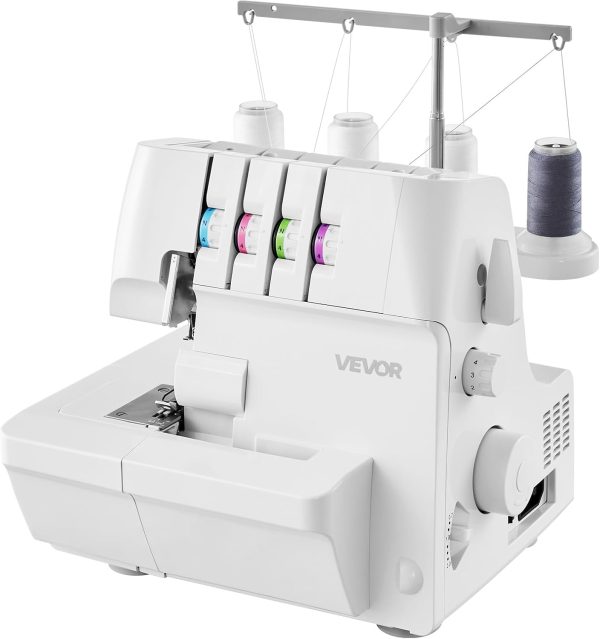
A serger machine is a marvel of engineering. It boasts several vital parts that work harmoniously to create flawless seams.
At the heart of it lies the **needle**. Most sergers have two or more needles for added stitching options and stability. Each needle plays a specific role in different stitch types.
Next is the **looper**, which threads underneath your fabric to form stitches on both sides. The upper and lower loopers work together seamlessly, making them crucial for effective overlock stitching.
The **presser foot** keeps your fabric secure while sewing. Different feet allow you to tackle various techniques, from rolled hems to gathering.
I don’t remember the **differential feed** mechanism! It adjusts how much fabric is fed through, preventing puckering or stretching—perfect for delicate fabrics.
Familiarize yourself with the stitch width and length controls. These settings let you customize your stitches according to your project needs.
The Benefits of Using a Serger Machine
Using a serger machine brings a new efficiency level to your sewing projects. It significantly speeds up the process, allowing you to finish garments and home décor items in record time.
One of its standout features is creating clean, professional seams. The serger trims excess fabric while stitching, resulting in perfectly finished edges that prevent fraying.
Versatility is another key advantage. Whether you’re working on knits or woven fabrics, this machine adapts seamlessly, providing multiple stitch options for various materials.
Additionally, the serger enhances durability. The strong stitches it produces look good and withstand wear and tear better than traditional straight stitches.
Using a serger can inspire creativity. By focusing less on finishing techniques and more on design elements, you can confidently explore innovative ideas.
How to Set Up and Thread Your Serger Machine
Setting up your serger machine can initially feel daunting, but it becomes second nature with patience. Start by placing the machine on a sturdy surface. Ensure you have enough space for movement.
Next, gather all necessary tools: scissors, thread, and the manual. Referencing the manual is critical—every model has unique threading paths.
Begin threading by identifying each spool pin. Typically, you’ll have four spools for various functions like overlocking and rolling hems. Thread them in order according to your machine’s diagram.
Please don’t rush through this process; take your time to ensure that threads are seated properly in their tension disks and guides. Once threaded correctly, test the machine with scrap fabric to verify stitching quality before moving on to your project. This practice helps build confidence as you become familiar with its quirks and capabilities.
Basic Stitching Techniques with a Serger Machine
Mastering basic stitching techniques on the serger machine opens up possibilities. Start with the four-thread overlock stitch, which is perfect for finishing seams. This stitch not only prevents fraying but also provides strength.
Next, experiment with rolled hems. They’re ideal for lightweight fabrics and create a beautifully finished edge without bulk. Adjust your settings, and you’ll quickly achieve professional-looking results.
Ignore flatlock stitching, too. It allows you to create decorative seams often used in activewear or knit garments. Pulling the fabric taut while sewing is vital for that perfect look.
Practice gathering stitches by adjusting tension settings and stitch length. This technique seamlessly adds texture to your projects! With these techniques under your belt, you’ll elevate your sewing game considerably as you explore what this versatile machine can do.
Troubleshooting Common Issues with Your Serger Machine
When working with the serger machine, encountering issues can be frustrating. One common problem is thread breakage. This often occurs due to improper threading or using old thread that has lost its elasticity.
Another frequent issue is skipped stitches. Check your needle position and ensure you use the correct needle type for your fabric. A dull needle can also cause this annoyance.
Tension problems are also a hallmark of serger machines. If your stitches appear too loose or tight, refer to your machine’s manual to adjust the tension settings accordingly.
If the machine jams while sewing, inspect for any lint buildup in the feed dogs and cutting blades. Regular cleaning will help maintain smooth operation and prevent future headaches during your projects.
Advanced Techniques and Creative Projects with a Serger Machine
Becoming more comfortable with the serger machine opens up a world of advanced techniques and creative projects that can elevate your sewing skills. One of the most exciting aspects of using a serger is its ability to create professional finishes on garments. Techniques like rolled hems, flatlock seams, and differential feed adjustments allow for unique textures and effects in your sewing.
Not only can you tackle garment construction with ease, but you can also explore fun projects like quilts or home décor items. Adding decorative threads or experimenting with fabric combinations can yield stunning results that showcase your style. Consider creating custom activewear with moisture-wicking fabrics; using a serger is easier than you think.
For those looking to push their creativity further, dive into upcycling old clothing pieces into something fresh and functional. A simple t-shirt can transform into stylish tote bags or trendy crop tops through clever cutting and finishing techniques offered by the serger machine.
Remember to experiment without fear—mistakes are part of the learning process. The more you practice advanced techniques, the more confident you’ll become in taking on new challenges. Your journey doesn’t end here; there’s always something new to learn and create as you master this remarkable tool in your sewing arsenal.