


Detail Description
Stitching Legacy: A Deep Dive into Singer Sewing Machines and Their Timeless Craftsmanship
Sewing is more than just a hobby; it’s an art form that weaves together creativity and craftsmanship. At the heart of this craft lies a brand that has stood the test of time—Singer sewing machines. With roots stretching back to the 19th century, Singer has become synonymous with quality and innovation in sewing technology.
As you delve into Singer’s world, you’ll discover not only its rich history but also how it has evolved through decades of change. From pioneering designs to modern advancements, these machines inspire crafters everywhere. Whether you’re a seasoned seamstress or just starting your journey, understanding Singer’s legacy will deepen your appreciation for this iconic brand.
Join us as we explore what makes Singer sewing machines not just tools for fabric manipulation but enduring symbols of artistry and tradition.
A Brief History of the Singer Brand
The Singer brand began in 1851 when Isaac Merritt Singer introduced the world to the first practical sewing machine. This revolutionary invention changed how people approached garment making and repair.
Singer quickly gained popularity due to its user-friendly design and reliability. The company became a household name by implementing innovative marketing strategies, such as offering home demonstrations that showcased the machine’s capabilities.
By the late 1800s, Singer expanded globally, establishing factories in various countries. This allowed them to produce machines at scale while maintaining quality.
Throughout the years, Singer has adapted to changing times, embracing technological advancements while preserving its commitment to craftsmanship. Today, this legendary brand is recognized for efficiency and fostering creativity among generations of sewers worldwide.
The Evolution of Singer Sewing Machines
Singer sewing machines have undergone remarkable transformations since their inception. The first model, introduced in 1851 by Isaac Merritt Singer, revolutionized home sewing. It featured a straight stitch and was powered by a foot pedal.
As time marched on, innovations emerged. The late 19th century saw the introduction of zigzag stitching capabilities and embroidery options. This allowed for greater creativity in garment making and crafts.
In the mid-20th century, they brought electric models into homes, allowing sewers to work quickly and precisely. With each decade, Singer adapted its designs to suit modern needs while maintaining quality.
Today’s models boast computerized technology that enables intricate designs at the touch of a button. They cater to hobbyists and professionals looking for reliability paired with versatility in fabric handling.
Throughout this journey of evolution, Singer has remained committed to empowering creators worldwide through innovative solutions.
The Timeless Craftsmanship of Singer Sewing Machines
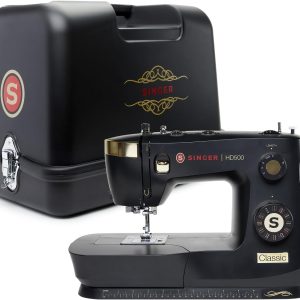
Singer sewing machines embody a rich heritage of craftsmanship that has stood the test of time. Each model reflects meticulous attention to detail, showcasing both beauty and functionality.
The iconic design features smooth lines, durable materials, and intricate embellishments. These elements combine to create machines that are not only tools but also pieces of art.
Crafted with precision, Singer sewing machines offer reliability in every stitch. This commitment to quality ensures they can effortlessly tackle various fabrics and projects.
Moreover, their intuitive operation means both beginners and seasoned sewists appreciate their ease of use. The blend of tradition with innovation allows these machines to remain relevant in today’s crafting landscape.
Whether mending garments or embarking on new creations, using a Singer machine feels like connecting with generations of artisans who have worked before us.
Famous Users and Endorsements of Singer Sewing Machines
Singer sewing machines have earned their place in the hearts of many famous personalities. Iconic figures like fashion designer Coco Chanel were known to use Singer machines, appreciating their reliability and precision.
Hollywood legends such as Bette Davis endorsed these sewing tools, further solidifying their status in the fashion industry and popular culture. Many actresses used them not just for personal projects but also for creating stage costumes.
They’ve even been featured prominently in films, showcasing how intertwined they are with creativity and artistry. The endorsement from such influential users highlights a legacy built on quality craftsmanship.
In modern times, celebrities continue to embrace Singer’s innovation. Influencers across social media platforms often share their experiences using these machines, showing that this brand remains relevant today. Their stories inspire countless individuals to explore the world of sewing with confidence.
Modern Uses and Advancements in Singer Sewing Technology
Today, Singer sewing machines blend tradition with innovation. Modern models feature advanced technology that enhances user experience and creativity.
One standout is the introduction of computerized systems. These allow for precise stitch selection and customization. Users can choose from countless patterns at the touch of a button.
Moreover, many Singer machines now include automatic threading functions. This simple upgrade saves time and reduces frustration, making sewing more accessible to beginners.
Wireless connectivity has also entered the lineup. Some models are compatible with mobile apps for design inspiration and project tracking.
Sustainability is another focus in recent advancements. Singer emphasizes eco-friendly materials in manufacturing processes, ensuring a smaller environmental footprint.
With each new release, Singer continues to honor its legacy while embracing modern needs—keeping the art of sewing alive in today’s fast-paced world.
Maintaining and Repairing Your Singer Sewing Machine
Maintaining your Singer sewing machine is essential for ensuring its longevity and peak performance. Regular care can help you avoid unexpected breakdowns and keep your sewing projects running smoothly.
Start with the basics. Clean your machine after each project to remove lint and dust that accumulate during use. Pay special attention to the feed dogs and bobbin area. A soft brush or a small vacuum attachment can work wonders.
Lubrication is another crucial aspect of maintenance. Your Singer manual will guide you on where to apply oil, usually at specific pivot points or gears. Remember, less is often more—just a drop or two in the right places can keep everything functioning seamlessly.
If you’re facing issues like skipped stitches or thread bunching, check if your needle needs replacing first. Using the correct needle type for your fabric is crucial as well.
When problems arise beyond routine maintenance, knowing how to troubleshoot common issues can save time and frustration. Ample resources are available online, including forums dedicated to Singer enthusiasts, that provide insights into resolving typical challenges.
When repairs are necessary, it’s advisable not to delay them too long; wear and tear only worsen over time. Depending on the age of your model and the extent of damage, you might consider seeking professional repair services specializing in vintage machines rather than modern ones.
Singer sewing machines have stood the test of time thanks not just to their innovation but also because users care deeply about maintaining them properly through thoughtful practices tailored to these beloved creativity tools.