

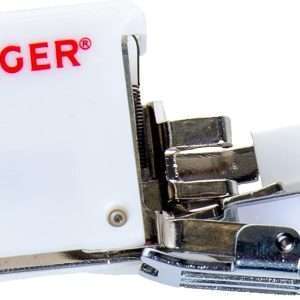

Detail Description
Mastering Sewing: The Ultimate Guide to the SINGER Even Feed Foot
Sewing enthusiasts know that the right tools can make all the difference in a project. Among these tools, the SINGER even feed foot stands out as a game-changer for many crafters. Designed to enhance your sewing experience, this specialized presser foot ensures that multiple layers of fabric are fed evenly through your machine. Whether quilting, working with delicate fabrics, or tackling tricky seams, having an even feed foot at your disposal can elevate your skills and results.
Are you curious about how to harness its full potential? You’re in the right place! This guide will walk you through everything from installation tips to advanced techniques. Get ready to unlock new levels of creativity in your sewing journey!
Benefits of Using the Even Feed Foot for Sewing
The SINGER even feed foot is a must-have for any serious sewer. It helps distribute fabric layers evenly as you sew, preventing puckering and shifting. This feature is especially beneficial when working with slippery or stretchy materials.
Another advantage lies in its ability to handle multiple fabrics at once. Whether you’re quilting thick batting or sewing together different textures, the even feed foot ensures that everything moves smoothly through your machine.
This presser foot also reduces strain on your hands and wrists by allowing the machine to do most of the work. You can focus more on guiding your fabric rather than wrestling with it.
Using an even feed foot can lead to more professional-looking seams and finishes. Say goodbye to frustrating discrepancies in stitch length – precision becomes second nature!
How to Install and Use the Even Feed Foot
Installing the SINGER even feed foot is straightforward. First, ensure your sewing machine is turned off. Then, remove the standard presser foot by pressing the release button.
Next, align the even feed foot with the ankle of your machine. Secure it in place using the screw provided. Ensure it’s snug but not overly tight to avoid damaging any parts.
Once installed, adjust your stitch length if necessary; a longer stitch often works better for thicker fabrics. When you’re ready to sew, lower the presser foot and start stitching slowly.
Watch as multiple layers glide through seamlessly without shifting or puckering. This feature makes sewing quilt tops or matching patterns effortless and precise. Experiment with different fabric types to truly appreciate their capabilities while gaining confidence in your skills!
Advanced Techniques and Projects using the Even Feed Foot
The SINGER even feed foot opens up a world of creative possibilities. You can tackle projects like quilting and sewing bias strips with precision. The built-in feeder mechanism ensures that all layers of fabric move together smoothly, preventing puckering.
Try free-motion quilting for an artistic flair. This technique allows you to create beautiful patterns without the constraints of traditional stitching. Just remember to adjust your machine settings accordingly.
Consider making a patchwork quilt using various fabrics. The even feed foot helps maintain uniformity across different materials, ensuring that each piece aligns perfectly.
This foot is perfect for garment construction, working with thicker fabrics like denim or multiple layers in pockets and hems. It transforms challenging tasks into manageable ones while achieving professional results every time you sew.
Maintenance and Care for Your Even Feed Foot
Taking care of your SINGER, even feed foot, is essential for maintaining its performance and longevity. Regular maintenance will ensure it continues functioning smoothly, allowing you to achieve the best results in your sewing projects.
Start by cleaning the foot after each use. Threads and fabric lint can accumulate, affecting the foot’s ability to feed fabric evenly. Use a soft brush or cloth to gently remove debris from the surface and moving parts. Avoid using harsh cleaners that could damage the finish.
Check for wear and tear periodically. The mechanisms in an even-feed foot can wear down over time, leading to uneven feeding or other issues during sewing. If you notice any signs of damage, consider replacing it with a new one for optimal performance.
When not in use, store your even-feed foot properly. A protective case or pouch will prevent scratches and accidental damage to your workspace.
Consult your SINGER machine’s manual for specific guidelines related to your model’s even feed foot. Following manufacturer instructions will enhance its durability and ensure you get the most out of this handy tool.
With regular care, you’ll enjoy smoother sewing experiences whenever you create something unique with your SINGER, even feed your foot at hand.