
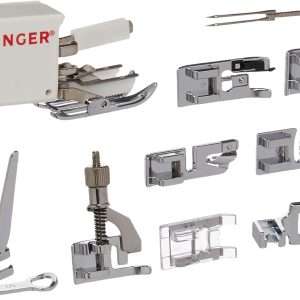

Detail Description
Mastering the Art of Cording: A Comprehensive Guide to Sewing Feet for Perfect Piping
Are you ready to elevate your sewing game? If you’ve ever admired beautifully piped cushions, you’re, or bags, you’ve been alone. Piping adds a professional touch that can transform ordinary projects into extraordinary ones. But how do you achieve that polished look every time? The secret lies in mastering the proper techniques and tools—particularly the sewing foot for cording.
This comprehensive guide explores everything from types of sewing feet explicitly designed for piping to preparing your machine for flawless results. We’ll also cover typical issues you might encounter and share advanced tips to take your skills to new heights. Whether you’re a beginner eager to learn or an experienced sewist looking to refine your craft, there’s something here for everyone. Let’s dive into the art of cording!
The Different Types of Sewing Feet for Piping
Choosing the right sewing foot can make all the difference when it comes to piping. The most common option is the cording foot. This specialized foot features a groove on its underside that accommodates various sizes of cord or piping, allowing for smooth stitching.
Another popular choice is the zipper foot. While primarily designed for zippers, it works wonders with piping, too. Its slim profile lets you get close to your cording and achieve precise stitches along the edges.
If you want versatility, consider a walking foot with an adjustable guide. This allows you to maintain consistent spacing from your fabric edge while seamlessly handling thicker layers.
There are specialty feet like double-cording feet that can handle two cords simultaneously—perfect for creating bold designs and adding extra texture to your projects. Each type offers unique benefits tailored to different cording techniques and styles in sewing.
Preparing Your Sewing Machine and Foot for Cording
To achieve flawless cording, start by choosing the right sewing foot. A specialized foot designed for cording will guide your fabric and piping evenly. Make sure it’s compatible with your machine.
Next, adjust your needle position to align perfectly with the ccord’swidth. This ensures you sew close to the edge without losing control of your stitching.
Before you start your project, test on scrap fabric first. This will help you fine-tune tension settings and stitch length according to the thickness of your piping.
I don’t remember threading! Use a quality thread suitable for both fabric and cord materials. A smooth feed is essential for preventing snags or skips during sewing.
Also, watch your bobbin thread, ensuring it’s wound evenly. These small steps set a strong foundation for beautiful piping details in all your projects.
Advanced Techniques and Tips for Mastering Cording
Mastering the art of cording requires practice and finesse. Once you’re comfortable with the basics, there are advanced techniques you can explore to elevate your projects.
One effective technique is to use bias tape as a casing for your piping. This method creates a more polished look while allowing you to control the tightness of the cording. Cut bias strips that match or contrast with your fabric, sew them around the cording, and attach them to your project.
Another approach is experimenting with different types and sizes of cording. Varying materials such as cotton, polyester, or decorative cords can add unique textures and dimensions to your work. Don’t shy away from mixing colors, either; this adds an exciting element that draws attention.
For intricate designs like piping curves or corners, consider using a piping foot specifically designed for these shapes. It allows more excellent maneuverability and helps maintain precision on challenging angles.
Always remember proper thread tension when sewing corded seams. If your stitches appear too loose or tight, adjust accordingly before continuing your project.
With dedication and creativity, you’ll not only master the use of a sewing foot for cording but also enhance every piece you create into something extraordinary.