Mastering the Art of Heavy Duty Serger Sewing: Tips and Techniques for Success
If you’re ready to elevate your sewing game, mastering heavy-duty serger sewing is the way to go. Whether you’re tackling thick fabrics or want a professional finish on your projects, a serger can be your best friend in the craft room. Its ability to cut, sew, and overlock all at once opens up a world of possibilities for creating garments that look store-bought but are made by you!
But before you dive into this exhilarating journey of creativity and precision stitching, there’s much to understand about these powerful machines. From choosing the suitable model for heavy-duty tasks to troubleshooting common issues that may arise during use—this guide will lead you through each step like a pro.
Get ready! It’s time to unlock the secrets of serging with confidence and finesse. Let’s explore how to make the most of your heavy-duty serger and achieve stunning results every time.
Understanding the Different Types of Sergers
Sergers come in various types, each designed for specific sewing needs. The most common is the four-thread serger, which offers versatility and strength. It’s perfect for constructing seams and finishing edges simultaneously.
Next up are the three-thread sergers. These machines are great for creating rolled hems and lighter fabrics. They’re more straightforward to operate but need more of the robustness found in their four-thread counterparts.
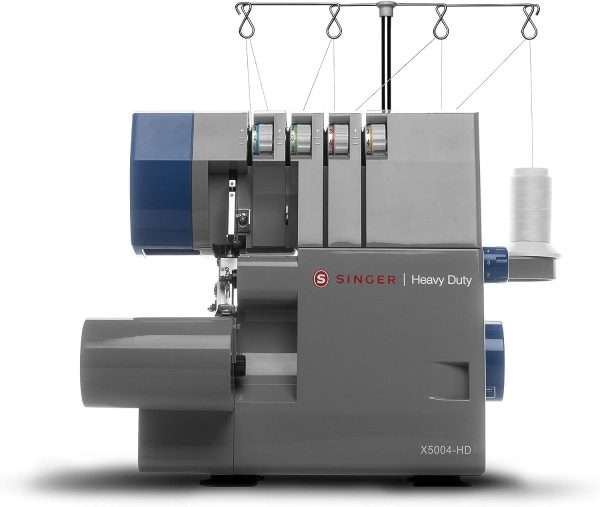
For those who want more power, heavy-duty sergers are specifically designed to handle thick materials like denim or canvas. These models typically feature more robust motors and enhanced feeding systems to ensure smooth stitching on heavier fabrics.
Coverstitch machines focus solely on hemming and finishing techniques with a professional touch. Understanding these options helps you choose a machine that aligns perfectly with your sewing goals. Each type brings its unique benefits to your crafting experience.
Choosing the Right Serger for Heavy-Duty Sewing
When selecting a serger for heavy-duty sewing, consider the machine’s capacity to handle thick fabrics. Look for models with solid motors and ample cutting power. This ensures smooth operation even with layers of denim or canvas.
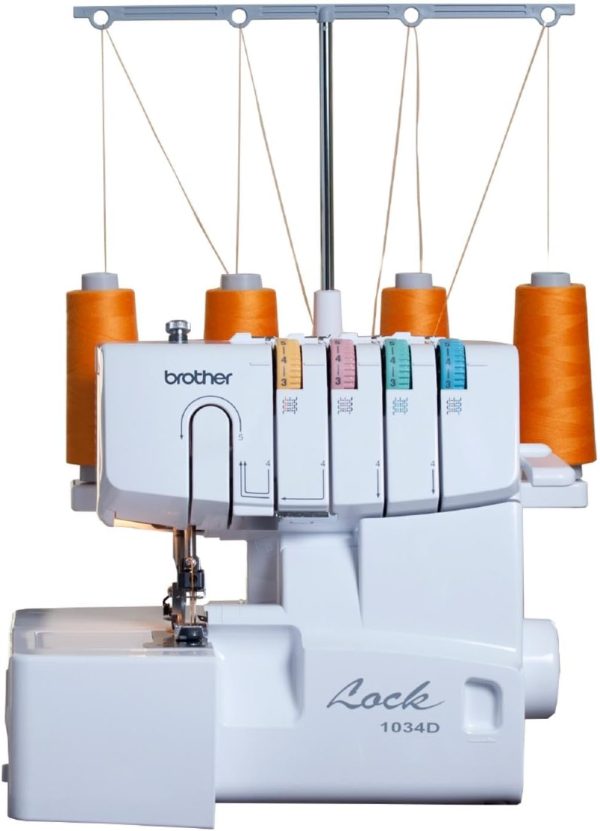
Threading capability is another critical factor. Opt for a serger that offers color-coded threading guides. This feature simplifies setup, making it easier to switch between different projects.
Look at stitch options, too. A versatile serger should provide multiple stitch styles tailored for various fabric types. Check if it includes differential feed settings to manage stretchy materials effectively.
Read reviews from other users who focus on heavy-duty applications. Their experiences can help you find a reliable model that meets your needs for robust sewing tasks.
Tips for Setting Up and Operating Your Serger
Setting up your serger can feel daunting, but a few simple steps make the process smoother. First, ensure you have ample space and good lighting for sewing. A clutter-free area allows for easy movement and concentration.
Next, familiarize yourself with the machine’s threading paths. Most models come with color-coded guides to help you through this crucial step. Proper threading is essential for effective operation and achieving high-quality stitches.
Once threaded, adjust the tension settings according to your fabric type. Heavy fabrics require different tension than lightweight ones; experimenting will yield better results.
As you operate your serger, maintain a steady pace. Rushing can lead to mistakes or uneven seams. Always keep an eye on the cutting blade; it should trim excess fabric without compromising stability.
Practice makes perfect! Spending time working with scraps before diving into more significant projects builds confidence in using your heavy-duty serger effectively.
Techniques for Achieving Professional Results
Mastering techniques is essential to achieve professional results on your heavy duty. Start by using quality thread and fabric. This ensures that your seams are strong and durable.
Next, perfect your tension settings. Each fabric type may require different adjustments. Take the time to test on scraps before working on your main project.
Consider using a guide or foot to align edges for consistent seam allowances. A steady hand will help maintain even stitching throughout.
Practice chain piecing for efficiency. This technique allows you to sew multiple pieces without cutting threads in between. It saves time and keeps everything organized.
Please don’t shy away from decorative finishes like rolled hems or gathered edges; they can elevate the overall look of your work significantly. Embrace these techniques, and watch your sewing projects transform into professional masterpieces.
Troubleshooting Common Issues with Heavy-Duty Sergers
Heavy-duty sergers can be a game-changer in your sewing projects, but they have quirks. If you encounter skipped stitches, check the needle. A dull or bent needle often causes this issue. Replacing it with the correct size for your fabric can make all the difference.
Thread tension problems are another common hurdle. If you notice uneven stitching, gradually adjust the tension settings on both upper and lower threads until you achieve balanced results.
Fabric bunching is also frustrating. It typically happens when feeding issues arise. Ensure the presser foot is down correctly, and use appropriate feed dogs for your fabric type.
If your serger starts making unusual noises or jamming consistently, inspect for lint buildup inside. Cleaning out these areas can significantly enhance performance and prevent future disruptions during heavy-duty tasks.
Maintenance and Care Tips to Prolong Your Serger’s Lifespan
Regular maintenance is key to ensuring your heavy-duty serger remains in top shape. Start by cleaning the machine frequently. Dust and fabric lint can accumulate quickly, especially after heavy use. Use a small brush to remove debris from the cutting blade area and feed dogs.
Oil your serger according to the manufacturer’s instructions. Proper lubrication keeps moving parts functioning smoothly and prevents wear over time. Make it a habit to check for any loose screws or missing parts regularly; tightening everything helps maintain stability during operation.
Change needles often, mainly when working with heavier fabrics that put more strain on them. Dull or damaged needles can lead to skipped stitches and frustration, which detract from your sewing experience.
When not in use, store your serger in a dust-free environment. A cover will protect it from dirt and moisture, both of which could cause long-term damage.
Follow the manufacturer’s recommendations for professional servicing. This step ensures that all internal components remain functional and aligned properly for optimal performance throughout the vehicle’s lifespan.
By following these care tips, you’ll enhance the longevity of your heavy-duty serger while ensuring seamless sewing experiences for years to come. Happy sewing!