


Product Collection
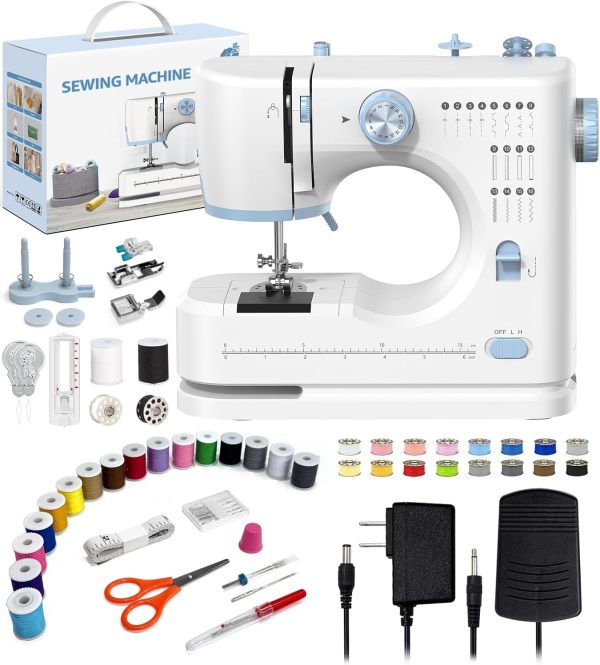
Portable Sewing Machine
✓Premium QualityBuilt to last
⇄Fast & Secure ShippingAcross the USA
☆Trusted by ExpertsTop rated products
Discover premium sewing machines and accessories, carefully selected for quality, creativity and dependable performance.


Portable Machine Buying Guide
Portable Sewing Machine options can be useful when storage space, carrying weight, or occasional travel matters. Start with the projects you sew most often, then compare the machine size, controls, stitch range, power needs, and workspace. Portability should make sewing easier without removing features your projects actually require.
Project fitMatch the machine to real fabrics and tasks.
Carry sizeCheck weight, dimensions, and storage space.
ControlsChoose a setup you can operate comfortably.
AccessoriesConfirm compatible feet, needles, and bobbins.
How to Compare a Portable Sewing Machine
First, decide where the machine will be used. A model for quick repairs may need fewer features than one used for garments, crafts, or regular classes. Also, check whether the machine can sit securely on the table or surface you plan to use.
Next, compare the functions you will use rather than the longest feature list. Stitch selection, speed control, reverse sewing, lighting, and presser-foot options can matter more than a very small body. However, a lighter machine may be easier to move between rooms or take to a class.
Finally, confirm the practical setup before buying. Check the current product page for included accessories, power requirements, measurements, and any assembly details. If a specification is missing, treat it as unknown until the seller or manufacturer confirms it.
See this product on Amazon: Portable Sewing Machine.
Product categorySewing MachinesBrowse the broader collection →Buying hubSewing Machine Buying & Selection GuideUse the main decision guide →
Useful Guides Before You Choose
Sewing Machine Type Comparison ChartCompare machine types before deciding how much portability you actually need.Open guide →Sewing Machine Compatibility ChecklistCheck needles, feet, bobbins and other compatibility details before buying.Open guide →Size, Weight & Workspace GuidePlan storage, carrying weight and the work surface around your real setup.Open guide →
Selected Products to Compare
Use these current catalog examples as starting points. Open each product page and verify the listed configuration before choosing.
ProductBeginner Sewing Machine, 12 Built-in Stitches with Foot PedalView product details →ProductBeginner-Friendly Mini Sewing Machine with 12 Built-in StitchesView product details →ProductBest Choice Products Compact Sewing Machine, 42-Piece Beginners KitView product details →
Questions Buyers Often Ask
Is the smallest sewing machine always easiest to travel with?
No. Size matters, but weight, handle design, power supply, stability, and the accessories you must carry also affect portability.
What should a beginner check first?
Start with simple controls, the stitches you need, clear threading guidance, and compatibility with common needles and bobbins. Then confirm the exact current product specifications.