
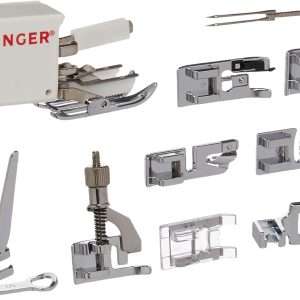

Detail Description
Mastering the Art of Overcasting Foot: A Guide to Flawless Stitching Techniques
Imagine transforming your sewing projects into professional-looking masterpieces with just a straightforward tool. Enter the overcasting foot—a game-changer for anyone looking to elevate their stitching skills. Whether you’re a seasoned seamstress or just starting, mastering this nifty attachment can open up a world of creative possibilities. Say goodbye to frayed edges and hello to polished finishes! In this guide, we’ll explore everything you need to know about the overcasting foot, from its benefits and types to expert tips that will make your stitching flawless every time. Ready to stitch like a pro? Let’s dive in!
Benefits of Using an Overcasting Foot
Using an overcasting foot can significantly enhance your sewing experience. One of the standout benefits is the ability to prevent fabric fraying. This is crucial, especially with delicate materials that can quickly unravel.
Another advantage is speed. The overcasting foot lets you finish edges quickly and efficiently, saving time on lengthy projects. It combines multiple steps into one smooth process.
Precision plays a key role as well. With its guide mechanism, this tool ensures consistent stitching width along the edge, leading to cleaner results that look professionally done.
Additionally, you’ll enjoy versatility in your projects. Whether you’re working on garments or home decor items, an overcasting foot adapts seamlessly to various fabrics and patterns.
It simplifies finishing techniques by creating sturdy seams that withstand wear while maintaining flexibility in your fabric. Embracing this tool opens new avenues for creativity in your sewing endeavors!
Types of Overcasting Foot
When exploring the world of overcasting foot, you’ll find various types designed for different sewing machines and project needs. Each type can enhance your stitching experience.
The standard overcasting foot is a staple in most sewing kits. It features guide fins that help create neat, consistent stitches along fabric edges. This foot is perfect for basic projects.
If you’re working with knits or stretchy fabrics, consider using a stretch overcasting foot. Its unique design accommodates the elasticity of these materials without compromising stitch integrity.
A decorative overcasting foot may be ideal for those who enjoy embellishing their work. It lets you combine functional stitching with creative flair, giving your projects an eye-catching finish.
Specialized foot exist for specific brands or models of machines. These tailored options ensure optimal performance and compatibility with your sewing setup.
How to Choose the Right Overcasting Foot for Your Project
Choosing the right overcasting foot can significantly impact your sewing project. Start by considering the fabric type you’ll be working with. Lightweight fabrics require different handling than heavier materials.
Next, think about your sewing machine’s compatibility. Not all foot fit every machine, so check your model’s specifications before purchasing.
Look for features that enhance functionality. Some overcasting foot have adjustable guides that help you maintain consistent seam width.
Remember to consider the stitch options available on your machine. Particular overcasting foot work best with specific stitches, such as zigzag or mock overlock.
Read reviews from other sewers who have used various types of overcasting foot. Their experiences can help you select a foot that effectively meets your needs and skill level.
Tips for Using an Overcasting Foot
Using an foot can elevate your sewing projects significantly. Start by selecting the right thread. Opt for a heavier, durable thread to ensure strong seams that withstand wear.
Before you begin, always test on scrap fabric. This helps you gauge stitch length and tension settings specific to your machine and fabric type. Adjusting these parameters is crucial for achieving perfect results.
Keep your fabric appropriately aligned while sewing. Use the guide markers on the foot to maintain consistent seam width as you sew along raw edges.
Take your time with the process. Steady speed allows for even stitching, preventing skipped stitches or uneven seams.
Remember to clean your machine regularly after using an foot. Fabric dust and debris can accumulate quickly, affecting performance during future projects.
Common Mistakes While Using an Overcasting Foot and How to Avoid Them
Using an foot can streamline your sewing projects, but common mistakes can derail your efforts. One frequent issue is improper fabric alignment. Ensure you maintain consistent pressure and guide the fabric evenly to avoid puckering.
Another pitfall is using the wrong stitch length or width settings. Adjust these according to the thickness of your fabric for optimal results. A miscalibrated machine can lead to uneven stitching that defeats the purpose of overcasting.
Additionally, neglecting proper threading techniques often leads to frustration. Always double-check that your thread path follows the manufacturer’s guidelines for smooth operation.
Take your time with this process, including positioning and sewing; haste may result in mistakes that are difficult to fix later. By being mindful of these common errors, you’ll achieve a polished finish every time you use an foot.
Advanced Techniques for Overcast Stitching
Advanced techniques for overcast stitching can elevate your sewing projects to a professional level. Once you’ve mastered the basics, consider exploring these innovative methods.
Experiment with different thread types and colors. Using contrasting threads can create a decorative effect on your seams while providing stability. This is especially effective when working with lightweight or sheer fabrics.
Layering fabrics adds complexity to your overcasting stitches. Combine various materials, such as lace and cotton, to create unique textures. Adjust your stitch width accordingly to accommodate thicker layers without compromising the integrity of your seam.
For comfortable people, try incorporating machine embroidery into your overcast stitching routine. Use an embroidering and overcasting foot for intricate designs that outline edges beautifully while preventing fraying.
Adjusting tension settings, mainly stretchy fabrics like knits or jerseys may yield better results. A looser tension allows for more flexibility in the fabric, reducing distortion during movement.
Practice makes perfect! Regularly experimenting with different techniques will build confidence and skill over time. Embrace creativity in every project; let it guide you toward mastering basic overcasting and advanced applications.
With dedication and exploration of these advanced techniques, you’ll enhance both functionality and style in all your sewing endeavors using an overcasting foot.