Showing 1–10 of 14 results

The Ultimate Guide to Industrial Overlock Machines: Features, Benefits, and Best Practices

Are you looking to elevate your sewing game and streamline your production process? If so, an industrial overlock machine might be just what you need. These powerful tools are designed to deliver precision stitching while enhancing the durability of fabrics. Whether you’re a seasoned professional or a hobbyist aiming for that polished finish, understanding the ins and outs of industrial overlock machines can make all the difference.

With various types available on the market today, each offering unique features and benefits, finding one that meets your specific needs is essential. This guide will walk you through everything from selecting the suitable machine to best practices in operation and maintenance. Say goodbye to frayed edges and hello to seamless creations with this ultimate resource on industrial overlock machines!

Types of Industrial Overlock Machines

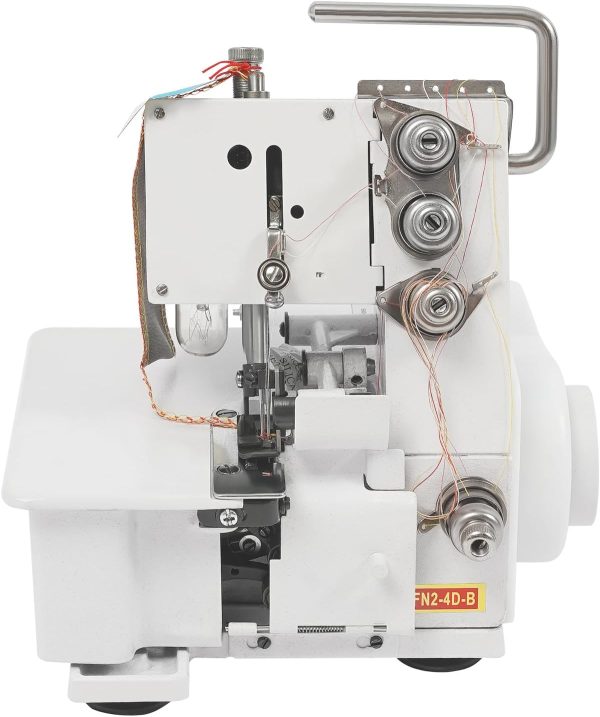
Industrial overlock machines come in several types, each tailored for specific tasks. The most common type is the 3-thread overlock machine, ideal for basic seam finishes and lightweight fabrics. It provides a clean edge while preventing fraying.

Next is the 4-thread overlock machine, which adds an extra layer of security to seams. This variant is perfect for medium-weight fabrics and offers excellent durability, making it popular among manufacturers.

For those working with thicker materials or wanting more versatility, the 5-thread overlock machine shines. It combines safety stitching and regular overlocking—great for denim or heavy canvas projects.

Specialty machines exist that focus on specific applications like rolled hems or flatlocks. These options offer precise features to achieve unique effects on various fabric types. Each type serves its purpose well within industrial settings.

The Benefits of Using an Industrial Overlock Machine

Using an industrial overlock machine can transform your sewing projects. These machines offer precision and speed, allowing for efficient seam finishes that are both durable and professional-looking.

One significant advantage is their ability to trim excess fabric while sewing. This feature saves time and reduces waste, making it perfect for high-volume production settings.

Moreover, industrial overlock machines’ versatility allows you to work with various fabrics—from lightweight chiffon to heavier denim—without compromising quality.

The built-in safety features enhance user protection, promoting a safer working environment.

With fewer thread breaks and consistent stitch formation, they minimize downtime during hectic production runs. Investing in an industrial overlock machine ultimately leads to better productivity and superior results in garment construction.

Factors to Consider When Choosing an Industrial Overlock Machine

Several key factors come into play when selecting an industrial overlock machine. First, consider the type of fabric you’ll be working with. Different machines handle varying materials and thicknesses differently.

Next, think about the number of threads you need. A 2-thread machine is excellent for lightweight fabrics, while a 5-thread model provides extra durability for thicker materials.

Speed is another crucial factor. If your projects demand high output, look for models with faster stitching capabilities to enhance productivity without compromising quality.

Take advantage of ease of use, too. Features like adjustable stitch length and automatic tension settings can make your sewing experience smoother and more efficient.

Assess the availability of parts and support services in case repairs or maintenance are needed in the future. This will ensure the longevity and reliability of your investment in an industrial overlock machine.

Best Practices for Using an Industrial Overlock Machine

To get the most out of your industrial overlock machine, it’s essential to start with proper threading. Always refer to the manual for guidance on tension settings and threading paths. Correctly threaded machines produce better stitches.

Keep your workspace organized. A clutter-free area allows you to focus on sewing without distractions and helps prevent accidental damage to fabric and equipment.

Regularly adjust the stitch length based on your project needs. Different fabrics require varied settings for optimal results. Test stitches before commencing work on the actual garment.

Use quality threads that are compatible with your machine model. Poor-quality thread can lead to skipped stitches or breakage, disrupting workflow.

Practice good posture while operating the machine. Maintaining a comfortable position enhances control and reduces fatigue during long sewing sessions.

Maintenance and Care Tips for Your Industrial Overlock Machine

Taking good care of your industrial overlock machine ensures its longevity and optimal performance. Regular maintenance can prevent costly repairs and keep your production running smoothly.

Start with cleaning the machine regularly. Fabric lint and dust can accumulate, affecting its efficiency. Use a soft brush or vacuum to remove debris from hard-to-reach areas, especially around the feed dogs and under the needle plate.

Lubrication is another crucial aspect. Check your manufacturer’s instructions for specific oiling points on the machine. A well-lubricated overlock runs more smoothly and reduces wear on moving parts.

It’s also essential to check thread tension frequently. Proper tension helps avoid frayed seams or uneven stitching, which can compromise fabric quality. Adjust it according to the type of material you’re working with.

Inspecting needles regularly cannot be overlooked either. Dull or damaged needles should be replaced immediately as they can cause skipped stitches or even damaged fabrics.

Store your machine safely when not in use. Cover it with a protective cloth to shield it from dust and debris, extending its life span.

By following these simple maintenance tips, you’ll ensure that your industrial overlock machine remains invaluable in your sewing operations for years to come.