
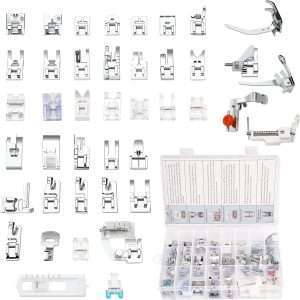

Detail Description
Unlocking Creativity: A Comprehensive Guide to Different Presser Feet for Your Sewing Projects
Every sewing enthusiast knows that the right tools can make all the difference in your projects. The presser foot is one such tool, often overlooked but incredibly powerful. These small attachments are crucial in how fabric feeds through your machine and directly impact your stitches’ quality. Whether piecing together a quilt or crafting garments from scratch, understanding different presser feet can unlock endless creative possibilities.
Imagine transforming simple fabrics into stunning creations with just a few adjustments to your sewing machine. With various types of presser feet, each designed for specific tasks, you can elevate your skills and explore new techniques like never before. Ready to dive deeper? Discover how these versatile tools can enhance your sewing experience and boost creativity!
Bare Presser Feet and their Uses
Bare presser feet are essential for any sewing project. They provide stability and control, making your stitches even and precise.
The standard foot is the most common type you’ll encounter. It works well for straight stitching on various fabrics. Whether you’re quilting or sewing garments, this foot offers versatility.
Next is the zigzag foot, which is perfect for executing zigzag stitches smoothly. It’s ideal for finishing edges or creating decorative patterns on fabric.
A quarter-inch foot can be a game-changer in quilting projects. It helps maintain consistent seam allowances, ensuring all pieces fit flawlessly together.
A buttonhole foot is useful for those who want to sew buttons easily. This tool simplifies the process of creating professional-looking buttonholes without hassle.
Each bare presser foot enhances your sewing experience by allowing you to tackle different tasks efficiently and with confidence.
Advanced Presser Feet for Creative Stitching
Advanced presser feet open up a world of creative possibilities. One standout option is the walking foot, designed to help you handle multiple layers of fabric smoothly. Whether quilting or sewing slippery materials, this foot can make all the difference.
Another innovative choice is the free-motion quilting foot. It allows for artistic stitching without constraints. This technique lets your imagination run wild as you create intricate designs and patterns.
For those who love decorative stitches, consider using an edge stitch foot. This tool ensures precision when adding trims or finishing edges, enhancing your project’s overall appeal.
The rolled hem foot simplifies, creating narrow hems on lightweight fabrics like silks or sheers. It’s perfect for garments where finesse matters most.
Exploring these advanced presser feet expands your sewing repertoire and encourages experimentation in every project you tackle. Each type offers unique benefits that can elevate your crafting experience significantly.
Specialty Presser Feet for Specific Sewing Techniques
Specialty presser feet are game-changers in the sewing world. They cater to specific techniques, enhancing your creativity and precision.
Consider the walking foot. This tool evenly feeds multiple layers of fabric, perfect for quilting or working with knits. It prevents shifting, ensuring every stitch is on point.
Then there’s the zipper foot, which allows you to sew close to zippers without fuss. It’s a must-have for garments and bags that require a polished finish.
For those who love decorative stitching, a pintuck foot effortlessly creates beautiful raised seams. It adds texture and interest to any project.
Pay attention to the rolled hem foot! Ideal for creating narrow hems on lightweight fabrics like chiffon or silk, it beautifully simplifies finishing edges.
Using these specialty presser feet opens doors to new techniques while guaranteeing professional results every time you sew.
Maintenance and Care of Presser Feet
Taking care of your presser feet is essential to ensure they perform at their best for every sewing project. Regular maintenance can prolong the life of these tools and enhance your creativity.
Start by cleaning your presser feet after each use. Dust, lint, and threads can accumulate, affecting their performance. Use a soft brush or a cloth to wipe them clean gently. Mild soap and warm water work wonders for stubborn dirt or grease—dry them thoroughly afterward.
It is equally important to inspect your presser feet regularly. Look for signs of wear, such as nicks or scratches that could affect stitching quality. If you notice any damage, it might be time to replace the foot.
Storing your presser feet properly also contributes to their longevity. To prevent scratching and bending, keep them in a designated container or case with cushioning materials like foam or fabric.
Refer to your sewing machine’s manual for specific maintenance tips tailored to each type of presser foot you own. Following these simple steps will help keep all your different presser feet ready for any creative challenge you take on next!