
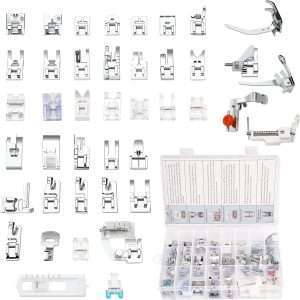

Detail Description
Mastering the Buttonhole Foot: Your Ultimate Guide to Perfect Buttonholes Every Time
If you’ve ever struggled with creating the perfect buttonhole, you know how frustrating it can be. Those tiny openings may seem simple, but they can make or break your sewing project. Enter the buttonhole foot—a handy accessory that transforms your approach to this essential task. Whether you’re a seasoned seamstress or just starting, mastering the Button Hole Foot will elevate your skills and give your garments a polished finish.
Imagine effortlessly stitching flawless buttonholes every time! With the right techniques and tools, you’ll soon find yourself breezing through this once-daunting task. Let’s explore everything you need to know about getting the most from your Button Hole Foot for professional-looking results.
Understanding the Different Types of Buttonhole Feet
Button Hole Foot come in various designs, each tailored to specific sewing machines and styles of buttonholes. The most common type is the automatic buttonhole foot. This ingenious tool uses a sensor to measure the size of your button, ensuring precise stitching every time.
Then there’s the manual buttonhole foot. It requires more hands-on work but can create beautiful custom shapes for those who enjoy project control.
For specialty needs, consider the keyhole buttonhole foot. This variation adds an elongated hole with rounded edges, perfect for larger buttons or vintage garments that demand elegance.
Some machines offer different widths and lengths through interchangeable feet. Understanding these types helps you choose wisely based on your fabric choice and design vision—setting you up for success from the start!
Choosing the Right Fabric and Thread for Buttonholes
Choosing the suitable fabric and thread is crucial for perfect buttonholes. Different fabrics behave uniquely when stitched, influencing the final look of your buttonhole.
For lightweight fabrics like cotton or silk, opt for a finer thread. This helps maintain a sleek finish without adding bulk. Heavier materials such as denim or canvas require sturdier threads for durability.
Consider the color contrast, too. A matching thread creates a seamless appearance while contrasting colors can add visual interest to your garment.
I am trying to remember fabric stability. Using stabilizers can prevent puckering around your buttonholes if you’re working with stretchy materials like knits. Test different combinations on scraps before committing to your project—this ensures you’ll achieve the desired effect without any surprises during sewing sessions.
Step-by-Step Guide to Using a Buttonhole Foot
Using a buttonhole foot can transform your sewing projects. Start by preparing your fabric and marking where the buttonholes will go. This ensures precision.
Next, attach the buttonhole foot to your sewing machine. Align it with the machine’s guidelines for accurate placement. Adjust the settings according to the size of your chosen button.
Begin stitching by positioning your fabric under the foot, ensuring it’s secure. Press down on the pedal and watch as it automatically stitches a perfect rectangle or oval around your markings.
When finished, gently remove any excess threads for a clean look. Use scissors to cut open each buttonhole carefully; this step requires patience to avoid mistakes.
Reinforce edges with fray check if needed. Your beautiful buttonholes are now ready for buttons!
Troubleshooting Common Problems with Buttonholes
Buttonholes can sometimes be tricky, and issues may arise during the sewing process. One common problem is uneven stitching. This often happens when the fabric shifts while sewing. To combat this, use a walking foot that helps keep layers aligned.
Another frequent issue is fraying at the edges of buttonholes. This can occur if your thread tension isn’t set correctly or if you’re using a fabric that unravels quickly. Try adjusting your tension or applying a fray check to prevent this.
Sometimes, buttonholes turn out too tight or too loose. If they don’t fit your buttons well, double-check the measurements before starting and ensure you select the right buttonhole setting on your machine.
Skipped stitches are frustrating but fixable. Ensure your needle is sharp and appropriate for your fabric type—this simple adjustment can make all the difference in achieving flawless buttonholes.
Tips and Tricks for Perfecting Your Buttonholes
Perfecting your buttonholes can elevate any sewing project. Here are some additional tips and tricks to consistently achieve flawless results.
First, always test on a scrap piece of fabric that matches your final project. This allows you to adjust settings before committing them to your actual garment.
Use interfacing for added stability, especially on lightweight or stretchy fabrics. It helps the buttonhole maintain its shape and prevents distortion during sewing.
When placing the buttonhole, consider its position carefully. Measure twice—this will save you from having to redo it later! A well-placed buttonhole works better and enhances the overall look of your finished piece.
Keep an eye on thread tension as well; too tight can cause puckering, while too loose might lead to fraying edges. Adjust accordingly based on your fabric type and thickness.
Don’t hesitate to experiment with different styles of buttonholes, like keyhole or round-ended versions. Each adds a unique touch depending on your design aesthetic.
With patience and practice using a buttonhole foot, you’ll soon find that creating perfect buttonholes becomes second nature in no time!