The Ultimate Guide to Choosing the Best Overlock Machine for Your Sewing Needs
Are you ready to take your sewing projects to the next level? If so, investing in an overlock machine might be just what you need. These versatile machines are designed to give your finished garments a professional touch by neatly trimming and finishing the edges of the fabric. Whether you’re a beginner or an experienced sewer, finding the best overlock for your needs can feel overwhelming with many options.
This guide will walk you through essential features to look for budget-friendly models perfect for starters, advanced machines that cater to seasoned sewists, and tips on maintenance and troubleshooting. By the end of this journey, you’ll have all the information necessary to choose an overlock machine that meets your unique requirements while enhancing your sewing experience. Let’s get started!
Key Features to Consider When Choosing an Overlock Machine
When selecting the best overlock machine, please start with the number of threads it uses. A 3-thread option is great for lightweight fabrics, while a four or 5-thread model provides added strength and versatility for various projects.
Next, consider stitch options. Machines that offer multiple stitches allow you to explore different techniques, such as rolled hems and flatlock seams. This flexibility can elevate your sewing game significantly.
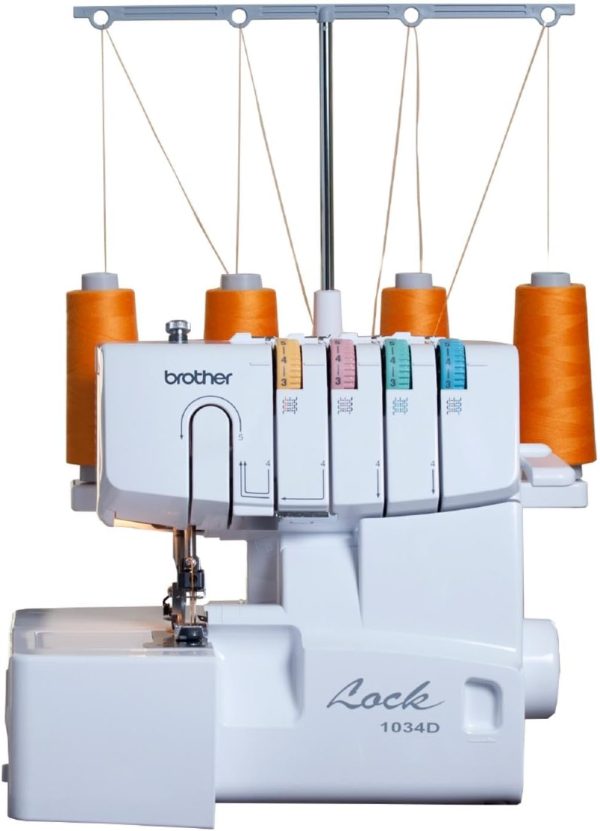
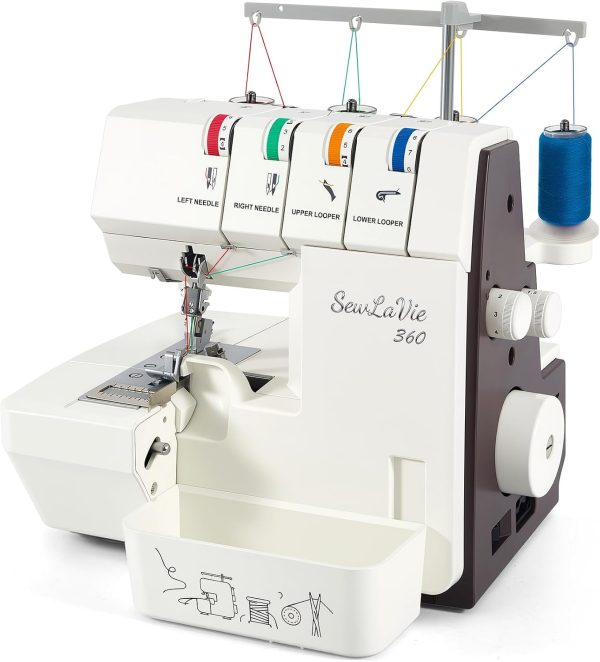
Another crucial feature is the ease of threading. Look for machines designed with color-coded guides or automatic threaders to save time and frustration during setup.
Remember speed control! Some models let you adjust stitching speed, which is particularly useful when working on intricate designs or delicate materials.
Pay attention to the accessories included in the package. Extra feet and tools can enhance your sewing experience right from the start without requiring additional purchases later.
Budget-Friendly Options for Beginners
Starting your sewing journey doesn’t have to be expensive. Several budget-friendly overlock machines offer great features without breaking the bank.
Look for models with essential functions like a three or 4-thread capability. These machines can handle a variety of fabrics and projects, making them suitable for beginners. Automatic threading is another feature worth considering; it saves time and frustration when starting.
Brands like Brother and Juki provide excellent entry-level options. They are known for their reliability and user-friendly designs. Many models also come with useful accessories, such as extra feet or stitch guides.
Online reviews can guide you towards the best choices within your budget range. Always check if there’s a warranty included; this gives you peace of mind as you learn the ropes of overlocking.
Advanced Models for Experienced Sewers
Selecting an advanced overlock machine for seasoned sewists can elevate your craft to new heights. These models offer a range of sophisticated features that cater to intricate projects and high-volume sewing.
Look for machines with multiple thread options. A 5-thread system provides versatility, allowing you to tackle everything from delicate fabrics to heavy-duty materials seamlessly. Adjustable stitch length and width settings enable you to customize the outcome based on your fabric’s unique characteristics.
An intuitive interface with programmable settings saves time and enhances creativity. Features like automatic tension adjustment ensure consistent results across various textiles, reducing frustration during complex tasks.
Incorporating specialized feet can further expand your capabilities. Whether rolling hems or adding piping, these accessories make it easier to achieve professional-grade finishes.
Investing in one of the best overlock machines designed for experienced users will transform your approach to sewing projects, making them more efficient and enjoyable.
Tips for Maintaining and Troubleshooting Your Overlock Machine
Regular maintenance is essential to keep your overlock machine running smoothly. Start by cleaning the machine after every few projects. Dust and lint can accumulate in hard-to-reach areas, affecting its performance. Use a small brush or compressed air to remove debris from the feed dogs and cutting blades.
Lubrication is another crucial aspect of maintenance. Check your user manual for guidance on where to oil specific parts. A well-lubricated machine operates more efficiently and has a longer lifespan.
You are troubleshooting common issues like skipped stitches or fraying seams. It is often due to threading problems or tension settings. Double-check that you’ve threaded the machine correctly according to the manufacturer’s instructions. Adjusting tension can also resolve many issues; experiment with different settings until you find what works best for your fabric type.
Don’t hesitate to consult online forums or video tutorials if you’re facing persistent problems—many experienced sewists are eager to share tips and solutions based on their experiences.
By staying proactive with maintenance and knowing how to troubleshoot effectively, you’ll ensure that your journey with the best overlock becomes more enjoyable and productive. Your sewing projects deserve a reliable partner!
Sergers & Overlock Machines
Bernette B64 Airlock Air Threading Serger with Free 6 Pcs Overlock Foot kit, White
Sergers & Overlock Machines